
 EN
EN
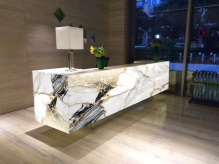
Optical Performance of Translucent Stone Under LED Backlighting
Light transmission, diffusion, and color rendering (CRI >90) in architectural applications
When we talk about translucent stones like onyx or quartzite, they actually let through around 85 to 92 percent of light when backlit by LEDs. This creates a nice diffusion effect that gets rid of those annoying bright spots while still showing off the beautiful veins inside the material. The really good news comes from high quality LEDs with CRI ratings above 90 these days. These lights keep colors looking just right, which matters a lot for places where brands want their spaces to look exactly as intended. Architects love working with this combination because it helps make walls feel deeper than they are, guides people through buildings intuitively, and sets different moods with lighting all without weakening the structure itself. Some recent studies done after people moved into new office buildings found that proper backlighting can make a space seem 15 to even 30 percent bigger than it actually is. That's not just about looks anymore; there's real functionality behind all this too.
Thermal stability and long-term performance under continuous 4500K–6500K LED illumination
Modern LED systems work much better when paired with proper thermal management solutions. These setups keep surface temps under 30 degrees Celsius or around 85 Fahrenheit, which means no thermal stress builds up in those translucent stone materials even during full day operations. We've tested these things pretty thoroughly too. The light output stays pretty stable over time. After just one year of constant use, we're still seeing about 98% of original brightness. That drops to roughly 92% after five years, but honestly not bad considering what we're talking about here. Color shifts are minimal as well. Most people wouldn't notice any changes since the delta E values stay below 1 point after one year and only creep up to around 2.5 after five years. Aluminum heat sinks do most of the heavy lifting here, along with mounting systems designed to maximize airflow. The color temperature range is also carefully controlled between 4500K and 6500K. All these factors together help maintain consistent lighting quality and extend the life of materials used in commercial spaces where foot traffic is heavy and maintenance costs need to stay low.
Commercial Applications of Translucent Stone: Lobbies, Feature Walls, and Reception Areas
Case study: Tunable-white backlit onyx wall in a high-end corporate lobby
A multinational company transformed their boring office lobby with a stunning 12 meter long backlit onyx wall featuring tunable white LEDs ranging from 2700K to 5000K temperatures. The wall changes colors throughout the day matching natural light patterns starting with warm amber tones at sunrise that remind people of layered rock formations, then shifting to crisp 4500K lighting around noon when most productive work happens. After installing this smart lighting solution, they noticed their regular lighting usage dropped about 40 percent and visitors felt the space was deeper by roughly 15 percent according to follow-up surveys conducted after occupancy began. What makes this different from standard backlit panels? The natural stone material spreads light evenly across surfaces without those annoying bright spots we usually see elsewhere. Plus it maintains excellent color accuracy with a CRI rating above 90 so everything looks true to life. Front desk personnel reported that guests tend to stay longer now, spending about 30% more time in the area compared to before. This shows just how much thoughtfully designed lighting systems can enhance brand perception while keeping everyone comfortable. And best of all, the whole setup works seamlessly with existing building controls through BACnet protocols allowing automatic adjustments based on time of day or special events without needing anyone to manually tweak anything.
Engineering Integration: Code Compliance, Thermal Management, and Control Systems
UL/ETL-rated Backlighting Assemblies and Heat Dissipation Strategies for Translucent Stone
Getting UL or ETL certification isn't just nice to have for commercial backlighting setups—it's actually required by most building codes. The main reasons? Electrical safety concerns and making sure the lights won't overheat. When LEDs get packed tight behind those see-through stone panels, temperatures can spike past 60 degrees Celsius pretty easily. This heat buildup creates real problems like tiny cracks forming in the stone or colors shifting across different parts of the installation. That's why properly certified systems usually include several cooling methods. Most often we see aluminum frames that pull heat away through conduction, mounting brackets with gaps that let air circulate naturally, and sometimes even special materials that absorb sudden temperature spikes. Computer models show these techniques work well enough to keep stone surfaces under 45°C throughout a full day's operation. This helps maintain even lighting across the whole surface area and prevents damage to the stone material as time goes on.
Dimming Compatibility and Ambient Light-Responsive Controls for Dynamic Commercial Environments
Translucent stone lighting works well with standard dimming systems like 0-10V, DALI, and DMX, giving control that goes all the way from just 1% up to full brightness without any annoying flickers. When installed in those bright atrium spaces, ambient light sensors actually help save energy by adjusting automatically based on daylight levels, cutting usage down around 30 to 40 percent according to what we've seen in practice. For hospitals and hotels especially, these tunable white lights can change color temperatures between warm 2700K and cool 6500K, matching our body's natural clock thanks to integration with BACnet building systems. The numbers tell the story too – installations across different locations consistently show that this kind of smart lighting lasts about 75,000 hours before needing replacement, plus people find their way around better and there's less hassle with maintenance overall.
Design Impact: How Translucent Stone Enhances Ambiance, Wayfinding, and Spatial Perception
When translucent stone is used, it produces those amazing layered light effects that just can't happen with regular flat panels. With tunable LED backlighting, the natural veins in the stone transform into something magical almost like a living painting. The mood changes throughout the day too going from crisp daylight settings to cozy evening vibes. Some studies have found that good quality installations actually boost how welcoming people feel in reception areas by around 40%. For guiding people through spaces, these glowing columns or wall sections work really well because our eyes naturally follow gentle shifts in light instead of fighting against lots of signs everywhere. What makes this material truly special though is how it plays tricks on space perception. A thin backlit onyx partition only 15mm thick can make small lobbies look as much as 30% bigger simply by creating an illusion of depth through careful control of where the light goes. The way it spreads light evenly without harsh spots means it looks great while still being practical enough for busy commercial environments where both appearance matters and people need to see clearly.
FAQ
What are the benefits of using translucent stone with LED backlighting?
Translucent stone with LED backlighting offers stunning aesthetic effects, creates a perception of deeper spaces, and provides excellent light diffusion and color rendering capabilities. It enhances the ambiance and helps in guiding people through spaces intuitively.
How does thermal management impact the performance of LED backlit translucent stone?
Proper thermal management is crucial as it keeps the surface temperature under control, ensuring the stable performance of the lighting system over time. It prevents thermal stress that could lead to discoloration or material damage.
What factors ensure the durability and efficiency of backlit stone installations in commercial spaces?
Using UL or ETL-rated assemblies, aluminum heat sinks, proper mounting for airflow, and integrating ambient light-responsive controls are key factors that enhance the durability and efficiency of installations by maintaining lighting quality and reducing maintenance needs.
Can LED backlit translucent stone systems be integrated with building controls?
Yes, advanced systems can seamlessly integrate with building controls like BACnet protocols, allowing automatic lighting adjustments based on time of day or specific events.
Table of Contents
- Optical Performance of Translucent Stone Under LED Backlighting
- Commercial Applications of Translucent Stone: Lobbies, Feature Walls, and Reception Areas
- Engineering Integration: Code Compliance, Thermal Management, and Control Systems
- Design Impact: How Translucent Stone Enhances Ambiance, Wayfinding, and Spatial Perception
-
FAQ
- What are the benefits of using translucent stone with LED backlighting?
- How does thermal management impact the performance of LED backlit translucent stone?
- What factors ensure the durability and efficiency of backlit stone installations in commercial spaces?
- Can LED backlit translucent stone systems be integrated with building controls?