
 EN
EN
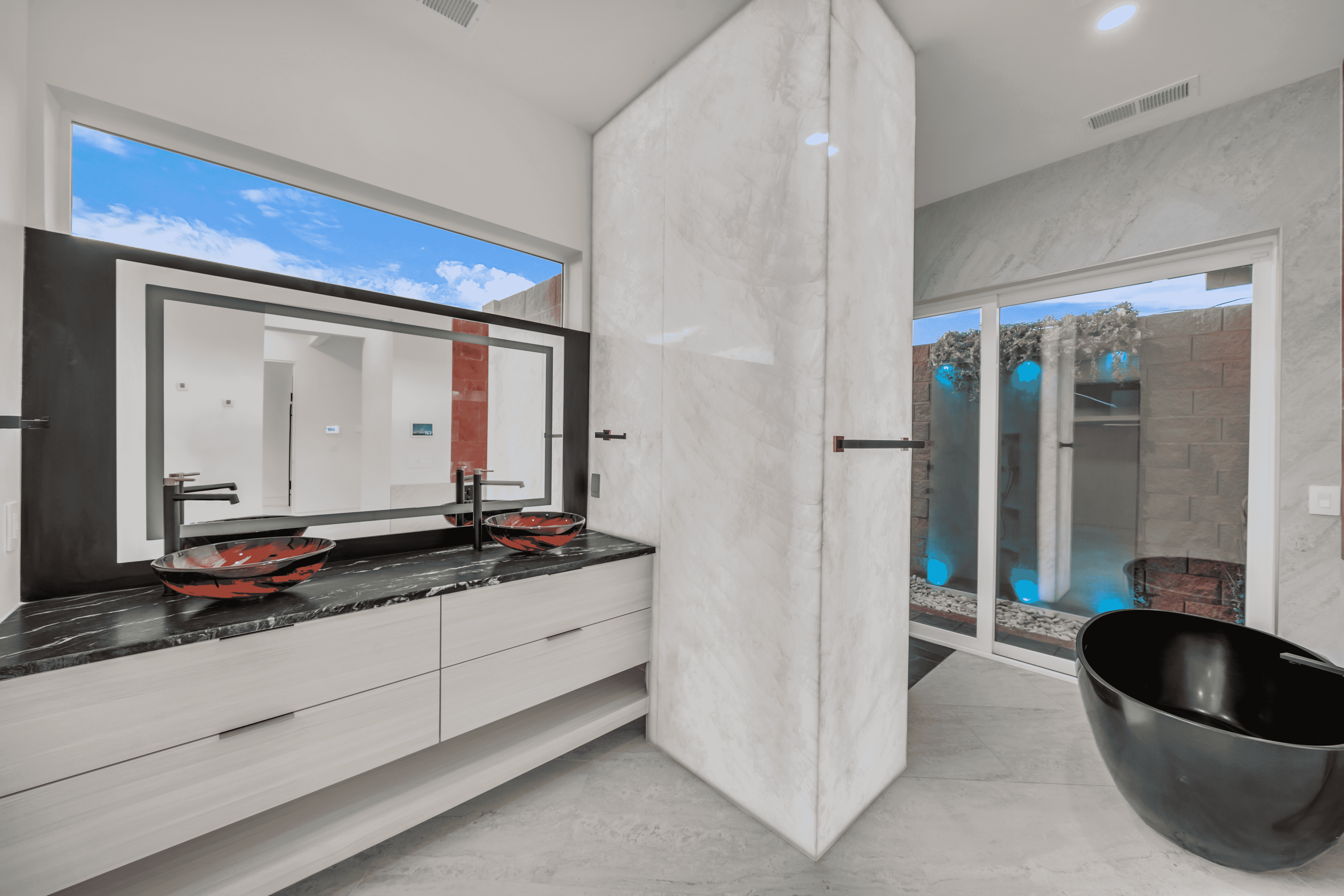
Understanding Translucent Stone: Material Properties and Interior Benefits
What Is Translucent Stone and How It Differs from Regular Stone Panels
Translucent stone comes in both natural and man-made varieties, letting about 15 to 60 percent of light go right through it. Regular stone panels just block all the light completely. These special stones get their glowing effect from being made really thin between 3 and 30 millimeters thick, then polished until they shine. Despite being so thin, they still hold up structurally pretty well too. Because of this light passing quality, architects love using them as backlit features. The latest numbers from the Architectural Materials Survey show that around three out of four luxury hotels now incorporate this kind of lighting into their designs, making these glowing stone surfaces a popular choice over traditional solid wall materials.
Material Composition and Sourcing of Translucent Real Stone Panels
Translucent natural stone is found in those special geological formations where crystals form over time, think Brazilian onyx or maybe Pakistani alabaster. When manufacturers want to create similar effects without relying on these scarce resources, they mix crushed stone particles making up around half to two thirds of the material with polymer resins that take up about a third to almost half. The result looks pretty much like the real thing but stands up better when something hits it. For premium quality panels, makers adjust them between roughly 12 millimeters all the way up to 30 mm thick. This range lets light pass through quite well too, with some 20 mm thick onyx samples letting in as much as sixty percent of available light while still holding together strong enough for walls and other interior applications.
Benefits of Using Translucent Stone in Interior Wall Decoration Applications
- Light optimization: Enhances spatial perception, making rooms appear 20-30% larger based on user studies
- Energy efficiency: Cuts artificial lighting needs by up to 40% when integrated with LED systems (2022 Illumination Design Report)
- Design adaptability: Offers over 150 natural vein patterns and 12 standard thicknesses suitable for both residential and commercial use
- Low maintenance: Resists scratches, moisture, and thermal fluctuations (-20°C to 80°C), lasting three times longer than traditional drywall in lifespan testing
Due to its aesthetic and functional advantages, translucent stone has been featured in 68% of award-winning interior designs since 2020, especially where visual impact meets long-term performance.
Design Aesthetic Effects with Translucent Stone in Modern Interiors
Creating Ambiance with Backlit Stone Walls in Residential and Commercial Spaces
When stone walls are backlit, they transform spaces by combining the beauty of natural materials with gentle lighting effects. At home, panels around 12 to 25 millimeters thick let warm light filter through the stone's natural patterns, cutting down on the need for ceiling lights while making rooms feel bigger than they actually are. Businesses have caught onto this trick too. A recent survey in the hospitality industry showed that when hotels used backlit stone walls instead of regular accent walls, guests rated them as feeling 34% more luxurious overall. Many architects now install these glowing stone features behind front desks or running down hallways, creating subtle visual cues that help people navigate through buildings without even realizing it.
Translucent Stone Feature Walls and Room Dividers for Spatial Elegance
The use of translucent stone changes how we think about space planning because it creates those see-through walls that keep things open but still mark off different areas. Take for instance an onyx panel measuring around 4 meters by 2.5 meters - these kinds of dividers really make small entryways look bigger while keeping workspaces separate from reception areas. Many designers play with contrasts between rough textured stones that let about half to three quarters of light through versus smooth finishes where up to eighty-five percent of light passes through. This mix works well when paired next to things like shiny marble floors or metal fixtures since the stone doesn't take over the whole room but instead blends right in with what's already there.
Case Study: Backlit Onyx Wall in a Luxury Hotel Lobby Transforming Spatial Perception
A 2022 hotel renovation showcased the transformative power of translucent stone. An 18mm-thick onyx wall spanning 28m² was backlit with tunable LED strips (2700K—4000K). Post-installation results revealed significant improvements:
| Metric | Pre-Installation | Post-Installation | Change |
|---|---|---|---|
| Daylight Utilization | 41% | 68% | +66% |
| Visitor Dwell Time | 2.3 min | 4.1 min | +78% |
| Perceived Ceiling Height | 3.2m | 4.7m | +47% |
Vertically aligned crystalline layers produced evolving shadow patterns throughout the day, achieving a sense of “architecture in motion” while cutting annual lighting costs by 22%.
Lighting Integration: Maximizing the Glow of Translucent Stone Walls
LED Backlighting Design for Translucent Stone Walls: Principles and Best Practices
Getting good backlighting right means leaving about 5 to 10 centimeters of space behind whatever needs lighting so the light spreads evenly. Some research from last year looked at commercial lighting options and found that when people installed LED strips in a staggered pattern between 3000K and 4000K color temperatures, spaced roughly 15 to 20 cm apart, they saw around a 37 percent improvement in how evenly light was distributed compared to just using central lights. For best results, combine these LED setups with dimmable control systems and proper diffusers. This helps get rid of those annoying bright spots while keeping the subtle translucency intact in materials like thin stone slabs, which work best when they're about 3 to 5 millimeters thick.
Choosing Color Temperatures and Light Intensities for Desired Aesthetic Effects
Travertine really comes alive under warm white lights around 2700K to 3000K, bringing out those beautiful amber colors. On the flip side, when we install cool white lighting at 4000K to 5000K, it makes those blue gray veins pop in marble lookalike slabs. Looking at hotel spaces specifically, studies done last year point towards keeping light levels between 80 and 100 lux. That's bright enough so guests can find their way around but still maintains that relaxing vibe everyone wants after a long day. RGB lighting setups are game changers too. They let designers switch things up throughout the day, going from bright morning light simulations right down to cozy evening glows with just a few adjustments.
Incorporating Built-In Lighting with Translucent Stone Panels: Technical Considerations
For LED installations, recessed aluminum channels with at least 2mm thick walls work best for both housing the lights and handling heat buildup. When installing in damp spots such as bathrooms or kitchen areas, stick strictly to fixtures that have UL certification and an IP65 rating. These ratings mean they can stand up to moisture without causing problems down the road. Safety is another concern worth noting. The total weight of the lighting setup shouldn't exceed 1.2 kilograms per square meter on walls that aren't meant to hold heavy loads. This becomes particularly critical when dealing with materials like onyx stone which ranks around 3 on the Mohs scale for hardness. Going over these limits could lead to structural issues over time.
Step-by-Step Installation of Translucent Stone on Interior Walls
Wall Preparation and Leveling for Translucent Stone Installation
Getting things right at the start matters a lot for how everything looks and works down the road. Make sure surfaces are really clean and check they're flat enough with those laser tools we all have these days, aiming for no more than 3mm difference across areas so there won't be weird shadow effects later on. When working somewhere damp, don't forget those special primers that fight off moisture problems. Most issues actually come from water getting in where it shouldn't according to some industry reports from last year. And if dealing with walls that need to hold weight? Definitely worth talking to someone who knows structures properly first before putting anything up there. Safety always comes first after all.
Best Practices for Installing Translucent Stone Panels on Load-Bearing and Non-Load-Bearing Walls
For load-bearing walls, use corrosion-resistant steel brackets installed every 400mm. Non-structural surfaces can accommodate epoxy-based adhesives. Always install panels vertically to align with natural veining, maximizing visual continuity. Include 2-3mm expansion gaps at edges using silicone spacers to allow for thermal movement without compromising appearance.
Cutting and Fitting Translucent Stone Panels to Precision
Waterjet cutting ensures precision within ±0.5mm tolerances. Score panels from the backside with diamond-tipped blades to avoid surface chipping. Conduct dry-fitting prior to final placement, adjusting for:
- Variations in wall curvature
- Positioning of lighting elements
- Routing of electrical conduits
This step minimizes errors and ensures seamless integration with built-in systems.
Seamless Splicing and Joint Treatment in Multi-Panel Installations
Use tongue-and-groove edge profiles combined with UV-stable silicone sealants for nearly invisible joints. After curing, polish seams with 3000-grit diamond pads until they match the surrounding surface in texture and reflectivity. Final backlighting tests should show less than 5% variation in luminosity across panel joints—a benchmark for premium installations.
Room-Specific Applications of Translucent Stone in Interior Design
Translucent Stone in Living Room Feature Walls: Enhancing Warmth and Depth
Backlit translucent stone makes for great centerpieces in living spaces. Shine some 2700K to 3000K LED lights through it and watch materials like onyx or quartzite glow with that warm amber hue that really brings out their natural patterns. These stones actually let through around three quarters to almost nine tenths of the light passing through them according to research from Material Science Journal last year. What's interesting is how this lighting trick makes rooms feel deeper and more open. Most interior pros we've talked to say they notice a big difference in how people perceive space when working with backlit stone installations in their projects.
Using Backlit Stone Walls in Bathrooms for Spa-Like Ambience
For bathroom spaces, translucent marble panels ranging from 6 to 12mm thick work really well when combined with waterproof LED strips. The result? Lighting that lasts longer without causing annoying glare. According to research from the Indoor Environmental Research Center back in 2023, these setups cut down on mold growth by around two thirds compared to regular tiles. Why? Because everything stays dry consistently and the surfaces are properly sealed against moisture. When installed behind sinks or tucked into those little nooks in showers, they create something pretty close to what we see in fancy spa environments. Plus, nobody has to deal with replacing bulbs all the time like with old fashioned lighting options.
Translucent Stone in Kitchen Backsplashes and Island Accents
Calcite-based panels at 10mm thickness can handle heat up to around 150 degrees Celsius which makes them great choice for areas close to stoves. According to recent surveys from homeowners back in 2024, about 92 percent actually favor these translucent stone backsplashes compared to regular glass because they resist scratches better plus look much more natural. Putting this material on kitchen islands has another benefit too it spreads light evenly across the space, so people don't get tired eyes while chopping vegetables or preparing meals under those bright overhead lights.
FAQ
What is translucent stone?
Translucent stone is a material that allows light to pass through it, typically letting about 15 to 60 percent of light through. It is used in both natural and man-made forms and is often utilized for aesthetic purposes in interior design due to its glowing effect.
What is the main benefit of using translucent stone in interior applications?
The primary benefit of using translucent stone is its ability to optimize light within a space, enhancing spatial perception and potentially making rooms appear larger. It also contributes to energy efficiency by reducing the need for artificial lighting.
How is translucent stone manufactured?
Translucent stone can be naturally sourced from geological formations such as Brazilian onyx or Pakistani alabaster. Alternatively, it is manufactured by mixing crushed stone particles with polymer resins to mimic the appearance of natural stone.
What are some common uses of translucent stone in interior design?
Translucent stone is commonly used for backlit feature walls, room dividers, living room feature walls, bathroom lighting, and kitchen backsplashes, enhancing both the aesthetics and functionality of these spaces.
Table of Contents
- Understanding Translucent Stone: Material Properties and Interior Benefits
- Design Aesthetic Effects with Translucent Stone in Modern Interiors
- Lighting Integration: Maximizing the Glow of Translucent Stone Walls
- Step-by-Step Installation of Translucent Stone on Interior Walls
-
Room-Specific Applications of Translucent Stone in Interior Design
- Translucent Stone in Living Room Feature Walls: Enhancing Warmth and Depth
- Using Backlit Stone Walls in Bathrooms for Spa-Like Ambience
- Translucent Stone in Kitchen Backsplashes and Island Accents
- FAQ
- What is translucent stone?
- What is the main benefit of using translucent stone in interior applications?
- How is translucent stone manufactured?
- What are some common uses of translucent stone in interior design?