
 EN
EN
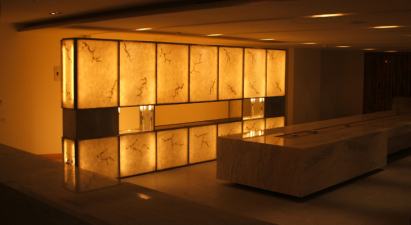
Aesthetic Versatility and Design Flexibility of Artificial Stone
Wide range of colors, patterns, and textures for diverse interior styles
The artificial stone market now comes with something like 200 different colors to choose from, which can mimic everything from classic Carrara marble down to those rough looking weathered slates we see so much these days. Big name producers stock their ranges with all sorts of finishes too - think matte surfaces, shiny polished looks, even textures that feel almost like real rock under your fingers. This kind of flexibility really helps out architects who struggle when trying to maintain consistent looks throughout big commercial developments. No more worrying about random color shifts or pattern differences that happen naturally in genuine stone products.
Consistent appearance without the natural flaws of quarried stone
Natural stone has those random veins and mineral spots that nobody can predict, but artificial stone keeps things looking consistent across every slab. These days, manufacturers have figured out ways to get rid of cracks and those annoying color bands without losing what makes real stone look good. According to a recent industry poll from last year, nearly nine out of ten interior designers are going for man-made materials when they need something to stand out visually, especially at places like front desk counters or accent walls where people really notice stuff. The whole point is having everything match up perfectly since even small inconsistencies can mess with how professional a space looks overall.
Custom shaping and sizing for unique design applications
The CNC cutting tech allows manufacturers to create those really intricate designs that would be tough to achieve with natural stone. We're talking about things like curved islands, edges with nice rounded finishes, and even built-in drainage systems. According to some industry reports from last year, around seven out of ten designers have started going for man made stone when creating custom waterfall countertops or those fancy fluted wall panels. What makes this possible is opening up new design possibilities. Take kitchen islands for instance. These days we see more and more homeowners opting for these organic shapes instead of traditional square ones because they just look better in homes where kids run around all day long.
Seamless integration in modern and traditional spaces
Artificial stone has this amazing ability to fit right into different design styles across time periods. Think about those cozy farmhouse kitchens now sporting sleek quartz countertops next to rustic wood elements. Or check out modern Art Deco bathrooms where angular terrazzo wall patterns stand out against smooth surfaces. The trend towards mixing old and new is definitely on the rise. Last year alone, nearly one in five luxury home renovations combined classic wainscoting with these contemporary stone accents. What makes this material so special? Well, leading architects in America keep specifying it for everything from grand neoclassical spaces to ultra-modern minimalistic interiors. No other surface material seems to cross those stylistic boundaries quite like artificial stone does.
Durability, Strength, and Long-Term Performance
High Resistance to Wear, Impact, and Daily Use in High-Traffic Areas
Man made stone holds up really well in tough spots such as hotel entrances, shopping centers, and restaurant kitchens where foot traffic is heavy. When it comes to lasting power, this material takes about 40 percent more abuse on a daily basis compared to regular limestone. The stone has a compression strength of around 750 psi which means it can handle bumps and knocks without cracking easily. Since it's made consistently throughout, there aren't those weak spots we often see in naturally mined stones. That makes artificial stone great choice for things like floor tiles and steps in places where people come and go all day long.
Material Composition Supporting Structural Integrity and Longevity
Mixing together 93% minerals like quartz and granite with just 7% polymer resin creates a surface that doesn't absorb liquids and stands up better against tiny cracks forming over time. According to tests run through Fictiv's reliability design system, these materials actually handle stress about 18% better than regular marble does, which means kitchen counters made from them won't chip at the edges as easily. The special formulas also hold their colors much longer when exposed to sunlight, lasting anywhere between 15 to 20 years without fading even in bright atrium spaces or those trendy outdoor cooking areas becoming so popular nowadays.
Comparison with Natural Stone: Balancing Aesthetics and Strength
While natural stone offers unique veining, artificial alternatives provide 30% greater crack resistance without sacrificing visual appeal. For example:
| Property | Artificial Stone | Natural Granite |
|---|---|---|
| Impact Resistance | 850 J/m² | 600 J/m² |
| Chemical Resistance | High (pH 1–14) | Moderate (pH 4–10) |
| Seam Visibility | Nearly invisible | Noticeable |
This balance makes engineered stone preferred for healthcare facilities requiring both sterile surfaces and design consistency.
Performance Advantages in Residential and Commercial Interiors
The non-porous surface prevents bacterial ingress in restaurant kitchens, complying with NSF/ANSI 51 hygiene standards. In offices, its scratch-resistant properties endure chair movements and equipment abrasion. A 2024 case study showed a 62% reduction in maintenance costs for apartment complexes using artificial stone balconies versus traditional concrete.
Hygiene, Maintenance, and Resistance Properties
Artificial stone offers unparalleled hygiene advantages through its engineered composition.
Non-porous surface inhibits bacterial growth and mold formation
Artificial variants lack microscopic pores where microbes thrive. A 2023 Building Materials Health Study found non-porous surfaces reduce bacterial colonization by 89% compared to porous alternatives like granite. This makes engineered stone ideal for food preparation zones and medical facilities requiring stringent cleanliness standards.
Stain, heat, and acid resistance in kitchen and bathroom environments
The polymer-resin base provides exceptional resistance to citrus acids, hot cookware (up to 120°C), and pigment-rich substances like red wine without etching or discoloration. Recent material durability studies confirm 98% stain resistance retention after 5,000 cleaning cycles in simulated kitchen environments.
Easy cleaning and long-term hygiene with minimal upkeep
Maintenance requires only daily wiping with pH-neutral cleaners—no sealing or specialized treatments. The 2024 Surface Hygiene Report shows artificial stone countertops retain 92% of their initial luster after a decade of use, outperforming natural stone’s 67% average. This durability minimizes long-term replacement costs while sustaining aesthetic appeal.
Common Interior Applications: Kitchen and Bathroom Countertops
Popularity in Kitchen Countertops Due to Seamless Joints and Durability
Engineered stone has become pretty much standard in today's kitchens, with around 6 out of 10 remodeling jobs these days going for man-made countertop materials. The big selling point? No grout lines to trap germs and dirt. Plus, these surfaces just don't show those annoying knife marks or heat damage from pots and pans straight off the stove (they can handle temps up to 535 degrees Fahrenheit). Even lemon juice and vinegar won't leave stains behind. And let's face it, most people don't want to replace their countertops every few years. Studies show that engineered stone lasts about 40% longer than real stone options, which means fewer trips to the hardware store and less money spent over time.
Ideal for Bathroom Vanities with Moisture and Humidity Resistance
Artificial stone is great for bathrooms because it absorbs almost no water at all (less than 0.02%) so it doesn't warp or grow mold even in really damp spaces. Regular stones like marble or travertine can get stained and damaged over time since they're porous, but these engineered materials keep looking good despite daily exposure to steam, makeup, and all sorts of cleaners. Many companies are starting to make sink and countertop combinations as single pieces now, which means fewer places where leaks might happen. This innovation has helped drive demand upward quite a bit lately, with adoption rates climbing around 22% each year among high end bathroom renovations.
Case Study: Luxury Urban Apartment Renovation Using Artificial Stone
A recent high-rise renovation in Miami’s design district showcased artificial stone’s versatility:
- Kitchen: 14-foot waterfall island with integrated induction cooktop zones
- Bathrooms: Textured matte-finish vanities mimicking basalt
-
Cost Savings: 18% lower installation costs versus natural stone
The project reduced material waste by 31% through precise digital templating, demonstrating how artificial stone supports both aesthetic and sustainability goals.
Cost-Effectiveness and Installation Advantages
Lower Upfront Cost Compared to Granite, Marble, and Quartzite
The price tag on artificial stone is roughly 30 to maybe even 50 percent cheaper compared to natural options such as granite or marble when we look at the latest 2023 interior material costs. Why? Because manufacturers have figured out ways to make these products using their resources smarter without losing that beautiful look people want. For folks building homes or remodeling kitchens, this means they get to spend what they save elsewhere in their project budget while still getting surfaces that look amazing and last forever.
Long-Term Savings From Low Maintenance and Repair Needs
The non-porous composition eliminates sealing requirements and reduces staining risks—two recurring costs with natural stone. A 2024 durability study showed repair frequencies 68% lower than marble countertops over 10-year periods, minimizing lifetime ownership expenses.
Lightweight Nature Reduces Structural Load and Simplifies Handling
Weighing 12–15 lbs per square foot (versus 18–22 lbs for granite), artificial stone lowers transportation costs and simplifies installation in multi-story buildings. Contractors report 25% faster handling times compared to natural stone, reducing labor expenditures.
Faster Installation With Fewer Seams and Growing Contractor Preference
Prefabricated slabs enable seamless installations with 40% fewer joints than traditional stone layouts. A 2024 construction efficiency report found the material reduces on-site labor by up to 40% through modular sizing and simplified cutting processes. These advantages explain why 78% of surveyed contractors now recommend artificial stone for budget-conscious projects.
FAQ
What are the benefits of using artificial stone over natural stone?
Artificial stone offers several benefits including consistent appearance, custom shaping and sizing, high resistance to wear and impact, and better hygiene properties due to its non-porous nature.
How does artificial stone maintain hygiene in kitchen environments?
Artificial stone’s non-porous surface inhibits bacterial growth and resists stains, heat, and chemicals, making it ideal for kitchens. It requires minimal upkeep, just regular cleaning with pH-neutral cleaners.
Is artificial stone cost-effective compared to natural stone options?
Yes, artificial stone is typically 30% to 50% cheaper and offers long-term savings due to low maintenance and repair needs.