
 EN
EN
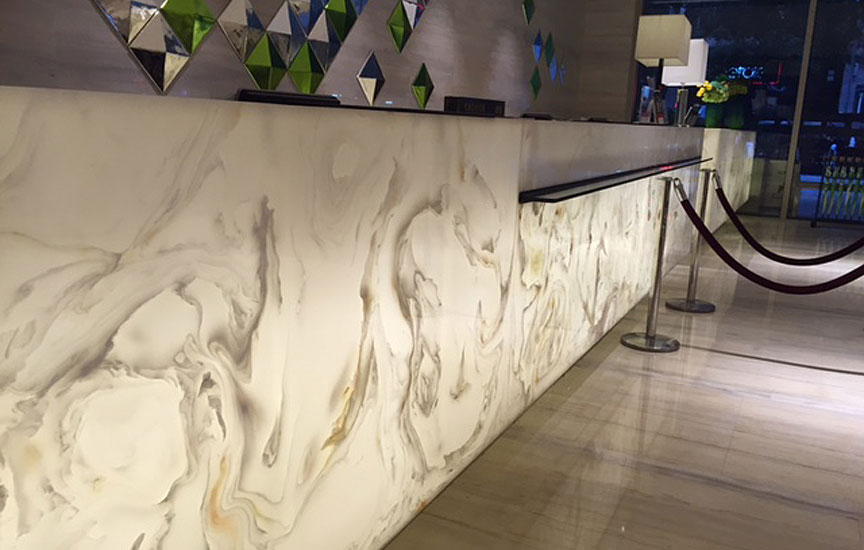
Enhanced Light Performance: Brighter, Healthier Interiors with Translucent Stone
How Translucent Stone Diffuses Natural and Artificial Light for Even Illumination
When light hits translucent stone, it gets scattered in all sorts of directions through either natural crystals or specially designed structures within the material. Opaque materials tend to create those annoying sharp shadows everywhere, but this stuff actually makes the light softer. Less glare, no ugly dark patches just hanging around. What happens is the light travels through from different angles, creating that nice even glow on walls and between rooms. People often talk about how this kind of lighting really changes how spaces feel. Without needing extra lights installed, small rooms or places without windows become brighter and seem bigger somehow. Think about modern office layouts where everyone's crammed together, or apartments down below ground level that never see much daylight naturally.
Measurable Benefits: 15–40% Luminous Transmittance and +27% Spatial Brightness vs. Opaque Surfaces
Translucent stone lets through around 15 to 40 percent of light, which is way better than regular granite or standard drywall walls, yet still keeps things private visually. When installed with backlighting, these materials can actually make a space feel brighter by as much as 27 percent. That means rooms get better lighting without needing extra electricity for lights. Some studies indicate that offices using translucent walls need about a third fewer overhead lights compared to those built with traditional drywall. The material typically contains quartz and onyx components that spread light evenly across different wavelengths. This makes a real difference in areas where natural light struggles to reach, like north facing rooms or basement levels that tend to stay dim no matter what time of day it is.
Well-being Impact: Supporting Circadian Rhythms in Residential and Office Interiors
Translucent stone lets through full spectrum natural light, including those important 480nm blue wavelengths that our bodies need for regulating melatonin levels. This means people tend to feel more awake during the day and wind down better at night when they're exposed to this kind of light. Combine it with warm artificial lighting options and we get spaces that actually work with our biological rhythms rather than against them. Studies show office employees who work close to these installations experience around 19 percent fewer headaches and generally sleep better too, with improvements in sleep quality measuring about 22%. At home, particularly in areas like home offices and bedrooms where people spend so much time, this material makes a real difference. It supports clearer thinking, builds emotional strength over time, and contributes to overall wellness in ways that go beyond just aesthetics.
Design Flexibility: Aesthetic Customization and Creative Expression with Translucent Stone
Natural Onyx vs. Engineered Quartz: Balancing Organic Character and Consistent Performance
When picking materials for their projects, designers typically go down one of two roads: natural onyx or engineered quartz. Natural onyx has those amazing veins running through it, plus depth and variations that come from being formed over millions of years in the earth. That makes it perfect for creating focal points where something really special stands out. Engineered quartz works differently though. It gives consistent translucency throughout, maintains the same color across the board, and holds up structurally much better. These qualities make it great choice for bigger installations where building codes matter a lot. As far as how they get made goes, onyx tends to work best when crafted by hand for custom pieces, while quartz shines in situations where things need to be produced repeatedly and perform well over time.
Dynamic Ambiance Through Integrated RGB-LED Backlighting and Kelvin-Tuned Lighting
Translucent stone has become something like a blank canvas for architects wanting to play with light. With RGB LED systems installed behind these materials, colors can change on the fly - think deep blues when people need to chill out, or warm amber tones to create a cozy feel. Then there's the white lighting stuff too, where different Kelvin temperatures serve practical purposes. Around 2700K gives off that relaxing glow we all love in living rooms, while 5000K is better suited for offices where concentration matters. What's really interesting though is how these lighting solutions do more than just look pretty. They actually transform walls and ceilings into smart environmental controls. Imagine walking into a conference room that switches instantly from bright, stimulating daylight settings during meetings to softer, more soothing evening modes once everyone leaves. All it takes is one button press and the whole atmosphere changes completely.
Reliable Functional Performance: Durability, Safety, and Low-Maintenance Advantages
Fire-Safe Interiors: ASTM E84 Class A Rating for Resin-Bonded Translucent Quartz Panels
Resin-bonded translucent quartz panels meet ASTM E84 Class A fire safety standards (flame spread ≤25), maintaining structural integrity at 650°C for over 30 minutes without emitting toxic fumes. This makes them suitable for egress corridors, high-occupancy lobbies, and other code-critical zones where safety and compliance are non-negotiable.
Everyday Resilience: Mohs 6–7 Hardness and Proven Stain Resistance Against Common Spills
With a Mohs hardness of 6–7—surpassing marble, limestone, and many granites—translucent stone resists everyday abrasion from keys, utensils, and cleaning tools. Its non-porous surface repels common household and commercial spills, as verified in independent testing:
| Substance | Exposure Time | Stain Penetration |
|---|---|---|
| Red Wine | 24 hours | None |
| Coffee | 12 hours | Surface residue only |
| Oils (cooking) | 48 hours | None |
Compared to porous alternatives, this durability cuts long-term maintenance costs by 40% (Material Science Institute, 2023). Routine cleaning with pH-neutral solutions preserves appearance—no sealing or specialty treatments required.
Strategic Applications: Where Translucent Stone Delivers Maximum Impact in Interiors
Backlit Feature Walls – The #1 Use Case in High-End Residential Projects (68% Growth, 2023)
Luxury homes are really getting behind backlit translucent stone walls these days. High end developers have seen about a 68 percent increase in their use throughout 2023. When installed as thin slabs of onyx or quartz, these materials turn spaces like living areas, entryways, and bathroom sanctuaries into glowing centerpieces. The LED lighting behind them creates natural looking patterns that pass through the stone's unique formations. What makes this trend stand out goes beyond just looks though. These installations provide consistent lighting without harsh glare, which actually helps reduce eye fatigue for residents. Plus, homeowners can adjust the mood settings from warm morning tones to striking nighttime contrasts. An added bonus is how they make rooms feel bigger than they actually are, creating that open space illusion so many people desire in modern home design.
Hospitality Ceilings and Partitions: Glare Reduction, Visual Flow, and Acoustic Transparency
Hotels and restaurants are starting to favor resin bonded translucent quartz for their suspended ceilings and those see through walls between spaces. When cut to around 30 to 40 mm thick, these panels take those harsh overhead lights and spread them out into softer ambient lighting across the room. Plus they meet those important ASTM E84 Class A fire safety standards which is always a big plus for building codes. Tests have shown that these materials can actually improve sound transmission class ratings by about 25 to 30 percent, so people talking in one area don't bother guests sitting nearby, yet still maintain clear visibility throughout the space. We've seen some great applications in busy hotel lobbies where the natural looking stone patterns help direct foot traffic flow naturally. Restaurant owners love how these installations create that upscale vibe while keeping operations running smoothly behind the scenes.
Atmospheric Differentiation: Crafting Unique Emotional Experiences with Translucent Stone
Translucent stone goes way beyond just looking good. It actually controls the atmosphere in a space, affecting how people feel both physically and emotionally. When designers install cool blue backlighting, guests get that peaceful spa vibe right away. But flip the script with those RGB LEDs and suddenly the same material becomes this energizing element for hotel lobbies and lounge areas. What's really interesting happens during the day too. As sunlight comes through, those natural mineral patterns inside the stone cast moving shadows across walls and floors. Some top hotels have seen their guest satisfaction scores jump about 40% after adding these kinds of installations. And hospitals aren't missing out either. Studies show patients exposed to circadian lighting via translucent stone materials experience around 31% fewer stress indicators. No wonder architects love working with this stuff. Every slab has its own unique texture so no installation ever looks exactly alike. The way light bends through each piece creates totally different visual experiences everywhere it's used, making spaces feel more connected to the people who occupy them.
FAQ
What is translucent stone mainly used for in interiors?
Translucent stone is primarily used for enhancing light performance, creating aesthetic focal points, and supporting wellness through lighting that naturally diffuses through spaces. It is commonly found in backlit feature walls, hospitality ceilings, and partitions.
Why is translucency important in building materials?
Translucency is crucial as it allows a certain percentage of light to pass through while diffusing it evenly, thus creating a well-lit environment without the need for excessive artificial lighting. This property helps improve spatial brightness and can support circadian rhythms, contributing to overall wellness.
What materials are typically used in translucent stone panels?
Translucent stone panels generally consist of natural onyx or engineered quartz, chosen for their unique visual appeal and structural properties. These materials facilitate both aesthetic versatility and consistent functional performance.
Are translucent stone panels fire-resistant?
Yes, resin-bonded translucent quartz panels are fire-resistant, meeting ASTM E84 Class A fire safety standards, which makes them suitable for use in critical areas requiring strict compliance such as egress corridors and high-occupancy spaces.
Do translucent stone panels require special maintenance?
No, translucent stone panels are low-maintenance due to their stain resistance and durability. Routine cleaning with pH-neutral solutions is sufficient for preserving their appearance without the need for sealing or specialized treatments.
Table of Contents
- Enhanced Light Performance: Brighter, Healthier Interiors with Translucent Stone
- Design Flexibility: Aesthetic Customization and Creative Expression with Translucent Stone
- Reliable Functional Performance: Durability, Safety, and Low-Maintenance Advantages
- Strategic Applications: Where Translucent Stone Delivers Maximum Impact in Interiors
- Atmospheric Differentiation: Crafting Unique Emotional Experiences with Translucent Stone
- FAQ