
 EN
EN
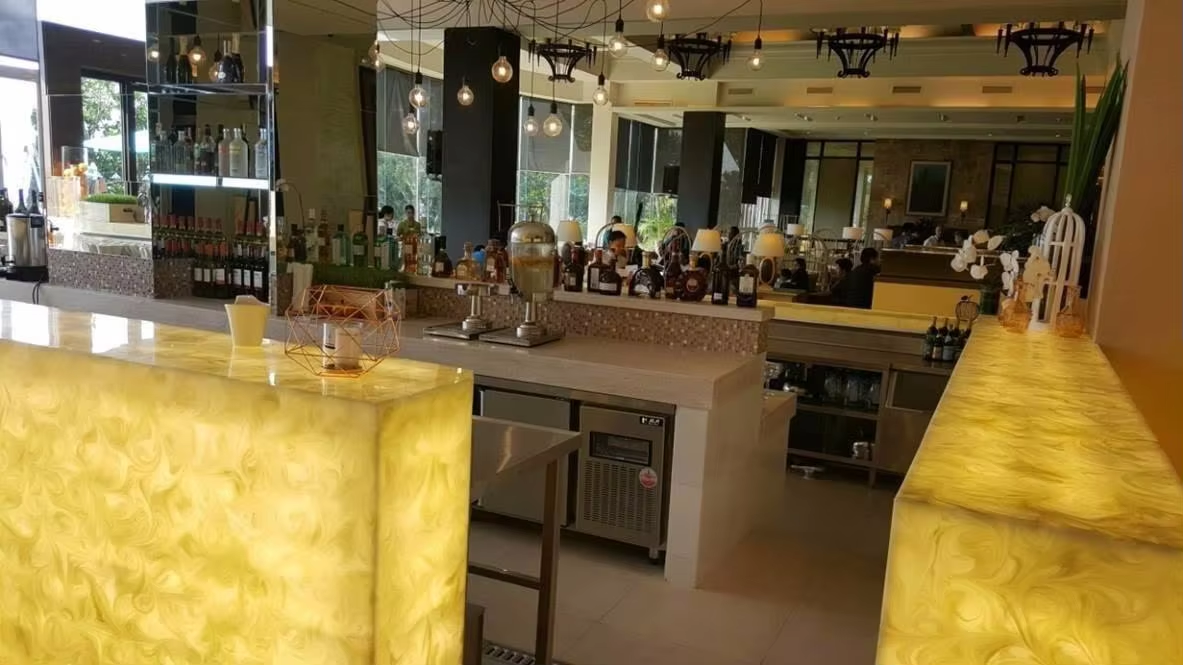
Customization Capabilities of Engineered Stone Countertops for Commercial Spaces
Design Flexibility: Seamless Curves, Integrated Sinks, and Bespoke Edge Profiles
Engineered stone countertops bring real flexibility to commercial design projects thanks to their consistent materials and precise manufacturing processes. What sets them apart from natural stone is how they handle those tricky installations nobody wants to mess up. We're talking about seamless curves around corners, sinks built right into the countertop surface, and all sorts of edge styles ranging from simple rounded edges to bold waterfall drops that actually hold up structurally. These features work wonders for different business needs too. Restaurants get those flowing bar setups without gaps, office buildings install comfortable reception areas, and hospitals can specify surfaces treated to resist germs while still meeting strict cleaning protocols. The whole fabrication process has gotten much smarter lately. Machines now replicate complicated shapes exactly the same way every time, which means hotel chains, restaurant franchises, and apartment complexes maintain that consistent look across multiple locations. Top brands stock over fifty different edge options and hundreds of surface textures these days. Many even provide online tools where designers can play around with combinations until they match current trends in hospitality spaces, medical facilities, and modern work environments.
Scalability Across Projects: From Boutique Hotels to Large-Scale Healthcare Facilities
The way engineered stone gets made gives it some serious advantages when scaling up production while still keeping things consistent and true to the original design. Since it has a uniform makeup, there's no worrying about those annoying color differences or vein patterns that come with natural stone. This means manufacturers can produce identical countertop pieces by the hundreds if needed. Think about hotels needing matching vanity tops for all 300 rooms, or research facilities wanting exactly the same lab work surfaces across multiple campuses. Even smaller projects get benefits too. Special edition patterns and unique textures let designers create something eye catching without having to meet minimum order thresholds. Healthcare facilities really see the value here. When hospitals undergo big renovations, the modular nature of engineered stone saves time on site. A recent study looking at hospital retrofits back in 2022 found installation times were around 40% quicker than with granite countertops. For architects who care about both how spaces look together and making sure everything goes smoothly during construction, engineered quartz just makes sense as a material choice.
Durability and Hygiene Advantages of Engineered Stone Countertops in High-Traffic Areas
Non-Porous Surface Performance: NSF Compliance and Reduced Maintenance in Kitchens and Restrooms
The non porous nature of engineered stone means liquids just sit on top instead of soaking in, which helps stop bacteria from growing. That's why NSF International gives it the green light for use in commercial kitchens where food is handled. Natural stone needs regular sealing to keep moisture out, but engineered stone doesn't require this maintenance at all. Restaurants report saving around two thirds of their annual cleaning time because they don't have to seal countertops anymore, as noted in the Facility Management Journal last year. Cleaning up spills becomes a breeze, and common disinfectants won't damage the surface like they might with other materials. Some versions even come with built in antimicrobial properties that help fight germs without needing extra chemicals, making them particularly useful in hospitals and places where food safety standards are strict.
Long-Term Cost Efficiency: Lower Repair Frequency and Extended Lifespan vs. Alternatives
Commercial spaces see real money saved over time when using engineered stone surfaces. The material stands up well against impacts, so there's less chipping damage from those heavy service carts rolling around hotel bars or bumping into lab equipment. Plus it can handle temperatures up to 400 degrees Fahrenheit without cracking near hot appliances. Most installations last way past 25 years, which is almost twice as long as laminate options and much better than other solid surface materials on the market today. This means facilities don't have to replace countertops as often and won't face disruptions during maintenance periods. And since these surfaces require very little maintenance compared to alternatives like granite, businesses actually save about $18 per square foot over ten years according to recent industry reports. For managers focused on getting the most out of their budget without compromising quality, engineered quartz becomes an obvious choice when looking at factors like how durable something is, how much downtime it causes, and what the overall costs really add up to in the long run.
Proven Market Adoption: Quartz Countertops as the Commercial Specification Standard
Quartz countertops are basically becoming the go-to standard for commercial specs these days, supported by steady market growth seen across different industries. The numbers tell part of the story too: estimates show engineered quartz will take around 28.6 percent of the US countertop market by 2025, growing at about 6.4% each year until 2035. Why? Well, quartz just ticks all the boxes for what businesses need. Kitchens and medical spaces love it because it meets NSF standards for cleanliness. Hotels and restaurants appreciate how the colors stay consistent across installations, which helps maintain brand identity. Plus, it contributes toward LEED certification goals for green buildings. Take healthcare facilities for instance – they've been adopting quartz at least 40% more than before in the last ten years. Makes sense really, since quartz surfaces resist bacteria growth, offer plenty of design options, and stand up well to constant cleaning in busy areas. And let's not forget the money side of things either. Replacement costs can be as much as 60% cheaper compared to natural stone alternatives. That's why so many retailers, schools, offices, and government buildings are choosing quartz when looking for materials that will last and save money over time.
FAQ
What makes engineered stone countertops a good choice for commercial spaces?
Engineered stone countertops are known for their design flexibility, durability, and hygiene advantages, making them ideal for high-traffic commercial spaces like hotels, restaurants, and healthcare facilities. They're resistant to staining and bacterial growth, require low maintenance, and offer a long lifespan.
Can engineered stone be tailored to fit specific design needs?
Yes, engineered stone countertops can be customized with various edge profiles, seamless curves, integrated sinks, and numerous surface textures, allowing them to seamlessly fit various business needs and design trends.
Are there cost benefits to using engineered stone over natural stone or other materials?
Yes, engineered stone is generally more cost-effective in the long run. They require less maintenance, have lower repair frequencies, and feature extended lifespans, saving businesses both time and money.
How does engineered stone perform in terms of hygiene?
The non-porous surfaces of engineered stone help prevent bacterial growth, which is crucial in maintaining sanitary conditions especially in kitchens and restrooms. Many products also come with antimicrobial properties.