
 EN
EN
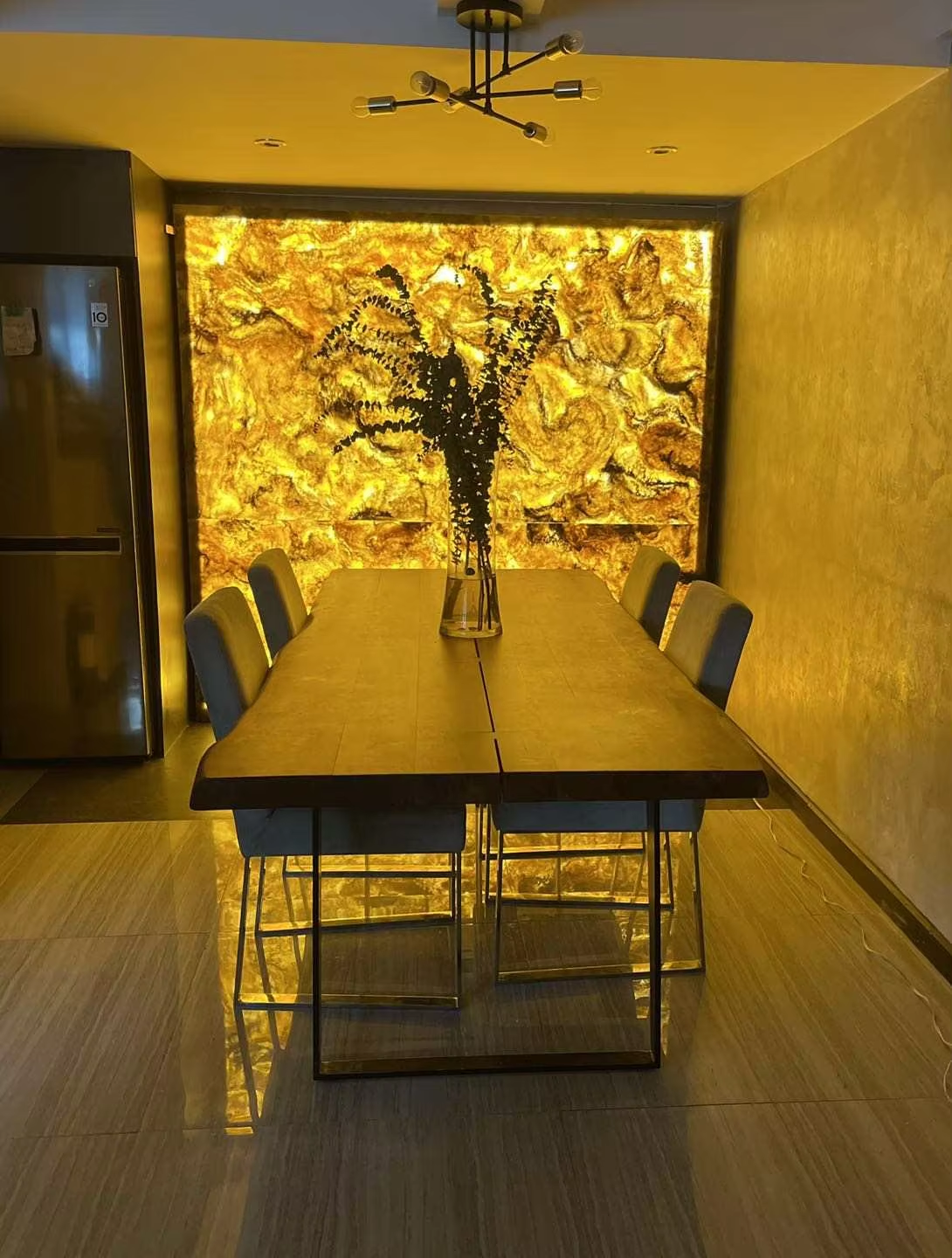
Key Stone Veneer Types for Luxury Interiors
Natural Ledgestone and Fieldstone: Rustic Elegance with Textural Depth
Ledge stone and fieldstone add real geological flair to upscale interiors with their layered look, rough edges, and three-dimensional texture. Every single stone has its own story told through mineral streaks and weathered surfaces that took thousands of years to form. What's great about them is they offer all this natural variation while still holding up structurally because of today's better fixing methods. Interior designers love working with these stones for creating seamless flow between inside and outside areas. They also work wonders when paired against clean, modern designs, adding an earthy element that stands out beautifully. These stones show up everywhere from fancy wine storage rooms to large living areas and even luxurious bathroom spaces where their natural beauty really shines.
Premium Granite and Marble Veneers: Refined Neutrals and Metallic Accents
Granite and marble veneers deliver timeless sophistication via crystalline structure and polished finishes. Top-tier applications feature:
- Statuario marble, with crisp white backgrounds and bold gray veining
- Absolute Black granite, offering a mirror-like, light-reflective surface
- Metallic quartzite, naturally embedded with copper or gold flecks that shimmer under illumination
These materials combine thermal stability, moisture resistance, and durability—making them ideal for heated bathroom floors, kitchen backsplashes, and high-traffic areas. Innovations now enable slabs as thin as 3mm while preserving strength and performance.
High-Fidelity Manufactured Stone Veneer: Consistency, Thin Profiles, and Design Control
Modern manufactured stone veneer (MSV) achieves near-identical visual fidelity to natural stone—replicating sedimentary layering, fossil impressions, and mineral deposits through precision casting. Its engineered advantages include:
| Feature | Benefit | Design Impact |
|---|---|---|
| Weight reduction (70% lighter) | Simplified installation | Enables vertical applications without structural reinforcement |
| Color consistency | Predictable aesthetic outcomes | Ensures uniformity across large-scale installations |
| Custom mold capabilities | Bespoke pattern development | Supports historically accurate or architecturally specific detailing |
MSV excels where natural stone falls short: curved walls, intricate mosaics, and tight-radius applications all benefit from its uniform thickness and adaptability. Per material science assessments, leading MSV products achieve up to 95% visual accuracy compared to their natural counterparts.
Strategic Applications of Stone Veneer in Upscale Interiors
Fireplace Surrounds and Accent Walls: Creating Architectural Focal Points
Fireplace surrounds get transformed when stone veneer is applied, becoming focal points that grab attention. The natural variations in texture create interesting shadows across the surface, adding depth and character to any room's architecture. Thin profile versions make it possible to create striking accent walls without needing major changes to existing structures. Many designers gravitate toward materials like ledgestone and quartzite because they have those beautiful layers that look so natural yet still maintain a sophisticated feel when installed properly. Stone veneer can withstand temperatures as high as 2000 degrees Fahrenheit, which means it ticks all the boxes for safety requirements around fireplaces while looking absolutely stunning at the same time. When combined with good lighting design, these surfaces really come alive, making something purely functional into something worth admiring like art on display.
Kitchen Backsplashes and Spa Bathrooms: Balancing Visual Impact with Tactile Sophistication
Premium kitchens are getting a boost from stone veneer backsplashes that look great and actually work well too. These materials stand up to all sorts of kitchen messes - heat from stovetops, splatters, even water damage over time. Marble and granite options don't absorb bacteria or odors since they're non porous surfaces. Just grab some basic cleaner that's not acidic and wipe them down when needed. For those fancy spa bathrooms people love so much lately, travertine and basalt stones make wonderful choices. They stay nice and cool underfoot which is refreshing after stepping out of the shower. Plus their natural texture provides good grip against slips, meeting safety requirements but still giving off that high end resort vibe many homeowners want. According to recent industry reports, around two thirds of upscale home remodeling projects now include some form of stone veneer installation, mainly because people appreciate both how it looks and feels when they interact with it daily.
| Application | Key Benefits | Material Recommendations |
|---|---|---|
| Fireplace Surrounds | Heat resistance, focal point creation | Quartzite, Ledgestone |
| Wet Area Features | Stain resistance, slip reduction | Honed Travertine, Basalt |
Design Alignment: Matching Stone Veneer to Luxury Aesthetic Themes
Choosing the correct stone veneer means thinking about how it fits with the overall luxury look of the project. When going for those organic, nature inspired styles like rustic luxe or organic modern, textured ledgestones work really well. These stones have those natural looking edges and come in earthy colors such as charcoal, sandstone shades, and moss greens. They're especially good for lodge style living areas or calming spa bathrooms where that authentic feel matters most. On the flip side, minimalist spaces need something different. Granite or marble veneers with their smooth surfaces and neutral colors fit better here. Think creamy travertine or quartzite with metal veins that match up nicely with polished metal finishes and straight architectural lines. For transitional designs, manufactured stone veneer gives designers more options. The colors stay consistent throughout production and the thin profile makes them adaptable to curved walls or intricate backsplash designs. Before making any decisions though, always check out big sample pieces in the actual space. Lighting plays a huge role in how we see these stones. What looks great under showroom lights might not work so well when exposed to both daylight and evening lighting conditions. This helps ensure everything works together with cabinetry, furniture, and other architectural elements.
Practical Considerations for Premium Stone Veneer Installation
Substrate Readiness, Weight Management, and Thin-Profile Compatibility
Getting good results starts with really cleaning up the surface underneath. Walls need to be free from dirt, completely dry, and strong enough to hold whatever's going on top. For stuff that isn't brick or concrete, metal mesh and those rough coat applications make all the difference in keeping things stuck properly over time. Stone veneer weighs around 15 to 20 pounds per square foot so checking how much weight structures can handle matters a lot. Ledger boards become especially important when working on second stories or outside walls where extra support prevents problems down the road. Systems that are thinner than 1.5 inches look less bulky and open up options for tricky spots such as kitchen backsplashes or small recessed areas in walls. Following the ASTM C1780 standards when applying mortar isn't just recommended but necessary if we want to avoid water getting in, white salt deposits forming, and tiles coming loose later on. These standards help maintain quality finishes even in high end spaces where appearance counts.
FAQ
What are the most popular types of stone veneer for luxury interiors?
Popular stone veneer types for luxury interiors include natural ledgestone, fieldstone, premium granite and marble veneers, and high-fidelity manufactured stone veneer (MSV). Each type has unique visual and structural properties that cater to different design aesthetics.
How do stone veneers contribute to interior architecture's aesthetic appeal?
Stone veneers provide architectural focal points with their texture and depth, creating shadows and visual interest. They blend well with both rustic and modern designs, adding an earthy or sophisticated element to spaces like living rooms, fireplaces, kitchens, and bathrooms.
What are the practical benefits of using manufactured stone veneer?
Manufactured stone veneer offers practical benefits such as weight reduction, color consistency, and custom mold capabilities. These features simplify installation, ensure uniformity across installations, and allow for bespoke pattern development that supports various architectural detailing.
How important is substrate readiness for stone veneer installation?
Substrate readiness is critical for stone veneer installation. It ensures the surface is clean, dry, and structurally sound, providing the necessary foundation for the veneer to adhere properly over time without issues like water intrusion or delamination.