
 EN
EN
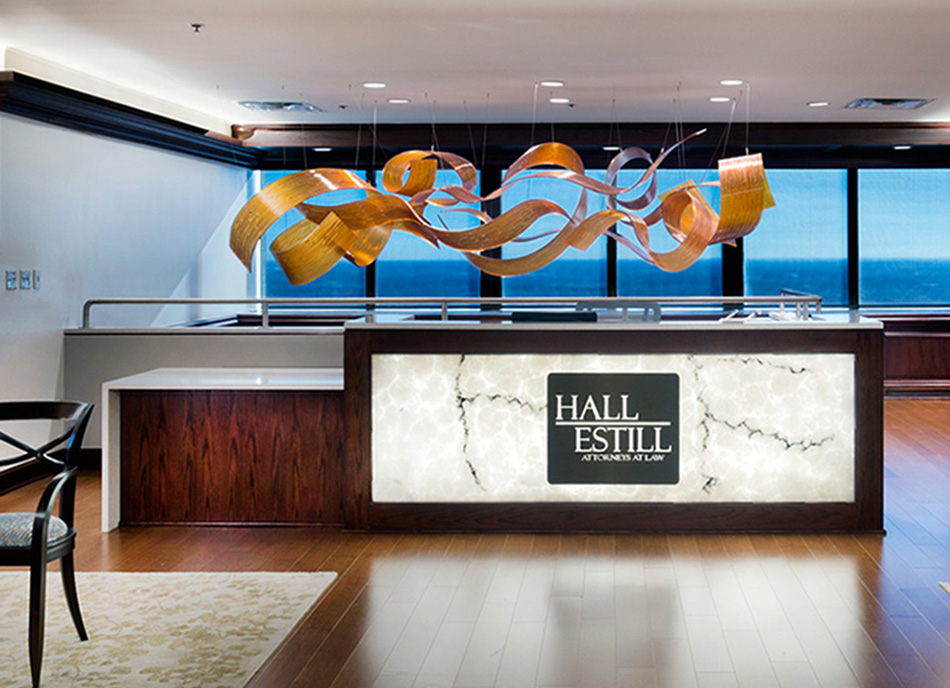
Understanding the Role of Decorative Wall Panels in Modern Interior Design
The rising use of decorative wall panel in contemporary living room wall decor
More people these days are going for decorative wall panels when they want to give their living rooms a real personality boost. Instead of those boring flat walls we all grew up with, these panels bring texture into play, making spaces look deeper and interact differently with light throughout the day. A recent design trend study from 2024 shows something interesting - around three out of four interior designers are suggesting wall panels as must-haves for living room makeovers. They love how these panels tie together different colors and architectural details in a space. The best part? Panels come in all sorts of shapes, from sharp geometric designs to flowing organic patterns. These become natural centerpieces where furniture can gather around without making a minimalist room feel cluttered or overwhelming.
How modern wall paneling styles enhance spatial aesthetics
Wall panels today do much more than just protect surfaces they actually change how we see spaces altogether. When someone installs vertical slats on walls, especially in rooms where the ceiling feels too low, those panels make the space look taller somehow. On the flip side, going horizontal works wonders for cramped areas, making them appear wider than they really are. The materials matter too. Matte finish MDF absorbs light rather than bouncing it around, which can create a calmer atmosphere. Metallic composites reflect light differently, so designers often mix these materials to get just the right balance between what comes in through windows and what's coming from lamps or overhead lights. According to recent market research, roughly two thirds of city loft owners have opted for textured wall panels instead of plain surfaces. These panels help tone down the harsh look of concrete and steel that's common in older buildings, giving spaces a more welcoming vibe without completely changing their industrial roots.
The functional and aesthetic appeal of wall paneling in open-plan homes
Decorative wall panels work wonders in open concept spaces when trying to separate different areas without building actual walls. Take kitchens for instance, many people install those smooth tempered glass backsplashes that are super easy to clean. Then right next door in the living area, some folks go with those slatted panels that actually help cut down on noise traveling between rooms. The whole point is creating spaces that do multiple things at once, looking good while also performing functions like keeping noise levels down or helping with temperature control. And let's not forget about reclaimed wood panels either. They bring a nice warm feel to otherwise very modern looking rooms. Plus they fit right into what so many people care about these days environmentally speaking. According to recent surveys from 2024, around seven out of ten eco minded homeowners make sustainability a big deal when remodeling their homes.
Top Materials for Modern Decorative Wall Panels
MDF 3D Wall Panels: Lightweight, Customizable, and Cost-Effective
MDF panels, also known as Medium-Density Fiberboard, are becoming really popular these days because they're affordable and can be used for so many different projects. These boards actually weigh around 30 percent less than regular solid wood, which makes them easier to handle during installation. The thickness options range anywhere between half an inch all the way up to two and a half inches thick according to some industry reports we saw last year. What makes MDF especially appealing is how easy it is to work with. People love being able to paint right onto the surface or apply various laminates depending on what look they want for their space. Whether someone is going for that rustic farmhouse vibe or something more industrial looking, MDF fits right in without standing out too much. When it comes time to install these panels, most contractors charge somewhere between four and seven dollars per square foot. That's about forty percent cheaper compared to installing actual natural wood products, which definitely adds up over larger projects.
Reclaimed Wood and Bamboo Panels: Sustainable Textures for Eco-Conscious Interiors
Reclaimed barnwood and bamboo dominate biophilic design, with 68% of architects specifying them for LEED-certified projects (Green Building Council 2023). Cross-laminated bamboo achieves 12,500 psi compressive strength while sequestering 24 kg of CO per panel. Their warm, irregular grain adds organic character to minimalist spaces.
Metallic and Tempered Glass Panels: Reflective Finishes for Urban Lofts
Brushed brass and matte-black steel panels enhance light distribution in compact urban units, reflecting up to 82% of ambient light. Tempered glass variants (6mm-12mm thick) with ceramic frit patterns provide scratch-resistant surfaces rated at 7/7 Mohs hardness ideal for high-traffic entryways.
Gypsum and Acoustic Slat Wall Panels: Blending Form With Function
Gypsum-core panels with CNC-milled patterns reduce mid-frequency noise by 12 dB (Acoustical Society of America 2023). Meanwhile, slatted walnut acoustic systems achieve 0.85 Noise Reduction Coefficient (NRC) ratings. Manufacturers now pair sound-dampening mineral wool cores with 3D-printed veneers, enabling customizable perforations for home theaters or open offices.
Design Trends: Geometric, Textured, and 3D Patterns in Decorative Wall Panels
The Dominance of Geometric and 3D Patterns in Modern Wall Panel Designs
Hexagons, chevrons and those cool 3D relief designs are totally changing what people expect from accent walls these days. The way these shapes play with light creates amazing depth effects that flat paint just can't match. According to recent industry data from the 2025 Interior Design Report, around seven out of ten designers now recommend these kinds of panels specifically for living areas and front entries where first impressions matter most. Most manufacturers use lightweight MDF combined with mineral composites for their panels. This material combo lets them create really detailed cuts with CNC machines without compromising on strength or durability. Some even say it's become the new standard for modern spaces looking to stand out without going overboard.
Textured Wall Panels as Focal Points in Minimalist Spaces
Textured finishes from brushed concrete effects to natural woodgrains add tactile contrast in clean-lined interiors. Rough-hewn surfaces offset smooth furnishings, while vertical slats help elevate the perception of ceiling height. Designers often combine matte textures with recessed lighting to highlight form and shadow within neutral palettes.
Trend Forecast: Parametric and Modular 3D Wall Panels Gaining Traction
Parametric designs created via computational modeling are gaining ground, especially for curved or irregular walls. Modular systems let homeowners reconfigure layouts over time. Forward-thinking brands are integrating recycled polymers into these adaptable systems, meeting both sustainability and spatial flexibility demands.
Functional Benefits of Acoustic and Durable Decorative Wall Panels
Acoustic Slat Wall Panels for Noise Reduction in Multi-Use Living Areas
When designing those versatile living areas that serve multiple purposes, acoustic slat panels really make a difference. These panels can soak up around 85 percent of background noise according to SoundZero research from last year, which is why they work so well in those big open spaces where kitchen, dining, and living areas all blend together. What sets them apart from traditional heavy duty soundproofing options is how they actually function. The newer models feature carefully cut wooden slats or holes punched into medium density fiberboard that helps break up sound instead of just blocking it completely. Plus, they stay light enough to install without much hassle and look pretty good hanging on walls too.
Durability and Material Performance in High-Traffic Zones
High-density materials such as mineral-fiber composites and powder-coated aluminum outperform standard drywall by threefold in wear resistance (2024 material stress tests). Fire-rated MGO boards and scratch-resistant laminates maintain appearance in entryways and hallways, offering long-term durability with minimal upkeep.
Balancing Aesthetics and Performance in Acoustic Panel Integration
Today's acoustic panels are designed as intentional décor. Sound-absorbing cores are embedded within geometric walnut veneers or fabric-wrapped finishes. Matte metallic ribbed 3D panels exemplify this trend reducing echo in media rooms while complementing strategic lighting designs, merging technical function with artistic expression.
Customization: Color, Finish, and Application in Key Living Spaces
Color and Finish Options: From Matte Black to Natural Wood Veneers
Decorative wall panels come in over 600 finish combinations (2024 Interior Materials Survey), ranging from matte metallics suited to industrial lofts to warm woodgrains ideal for Scandinavian interiors. Oak veneers promote visual continuity in open layouts, while high-gloss lacquers enhance dimension in smaller rooms.
Customizing MDF 3D Wall Panels With Paint and Laminates
Pre-primed MDF panels accept water-based paints and wood-effect laminates, allowing precise customization. A recent case study found that 78% of designers leverage this flexibility to match client-specific Pantone colors or replicate historic plaster detailing.
Matching Wall Panels to Interior Color Schemes and Lighting
Panels with a Light Reflectance Value (LRV) under 20% suit sunlit rooms, minimizing glare. In contrast, finishes above 70% LRV boost brightness in dimly lit basements. Warm grays pair well with 2500-3000K lighting, while cool whites maintain harmony under 4000-4500K illumination.
Application Idea: Using Decorative Wall Panels for TV Wall Decoration
3D geometric panels installed behind entertainment centers reduce screen glare by 34% (AcousticsLab 2023) and add visual depth. Asymmetrical configurations with integrated recessed lighting strike a balance between technology and artistry, turning the TV wall into a dynamic centerpiece.
TRANSTONES is a man-made stone brand based in Guangzhou with 15 years of production experience. It focuses on translucent artificial stones such as imitation alabaster, which have the texture of natural stone but are lighter. Featuring excellent translucency, easy processing and renewable properties, they are suitable for bar counters, countertops and other design scenarios, and can be matched with onyx and other stones to create light luxury spaces. The brand strictly controls the production process and is committed to providing high-quality products and premium services in the industry. We welcome OEM/ODM orders and offer fast sample services and flexible payment terms, supporting custom solutions to meet diverse project needs. We also provide professional design support and material selection guidance to help elevate high-end design projects.
Frequently Asked Questions
What are decorative wall panels?
Decorative wall panels are design elements that add texture and visual interest to walls. They can be made from various materials such as wood, MDF, metal, or glass and are often used to enhance the aesthetic appeal of a space.
How do decorative wall panels enhance interior design?
Decorative wall panels add depth and texture to a room, creating focal points and changing the way light interacts with surfaces. They can also provide functional benefits such as noise reduction and space division without building walls.
How can I choose the right decorative wall panel for my home?
Consider factors such as the size and layout of your space, desired texture and appearance, material preferences, and any functional requirements like soundproofing or durability. Match the panel's design and finish to your interior color scheme and lighting.
Table of Contents
- Understanding the Role of Decorative Wall Panels in Modern Interior Design
- Top Materials for Modern Decorative Wall Panels
- Design Trends: Geometric, Textured, and 3D Patterns in Decorative Wall Panels
- Functional Benefits of Acoustic and Durable Decorative Wall Panels
- Customization: Color, Finish, and Application in Key Living Spaces
- Frequently Asked Questions