
 EN
EN
Why Translucent Stones Are Transforming Contemporary Interior Decoration
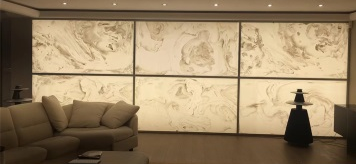
The world of interior design is seeing a big change thanks to translucent stones that combine beautiful looks with real practical benefits. These natural stones let light pass through their crystal structures, creating soft, layered lighting effects that turn ordinary rooms into spaces that respond to different moods throughout the day. Take an onyx wall lit from behind for instance it changes the whole feel of a space from bright and clean during the day to cozy and inviting at night, all without needing any additional lighting equipment. Many designers love working with these materials because they somehow manage to blend rough industrial elements with natural beauty while still maintaining that minimalist look people want but adding interesting textures too. The market for these stones jumped about 40 percent last year according to the Global Design Insights Report, showing just how much everyone wants materials that stand out visually and work well functionally. What makes these stones really special though is their ability to create divisions between areas using light instead of solid barriers. Partitions made from translucent stone separate spaces without blocking views or light, yet still maintain privacy where needed. We see them popping up everywhere now ceilings, kitchen counters, hotel receptions, even decorative walls across the industry, proving old earth materials can tackle today's design problems in surprising ways.
Top Natural Translucent Stones for Interior Decoration: Onyx, Alabaster, and Quartzite
When it comes to natural translucent stones used inside buildings, onyx, alabaster, and quartzite stand out as top choices. Each has its own special way of handling light, different strength properties, and specific needs when installing them. These stones let between 10% and 40% of light pass through them, which creates amazing backlit effects without losing what makes natural stone so special its natural variations and unique patterns. The way these stones form underground gives them those beautiful veins, bands, and color changes that no two pieces will ever look exactly alike. But this beauty requires proper care too. Professional sealing is essential to protect against stains, and getting the right lighting setup matters a lot for making sure the stone looks its best in both homes and offices.
Onyx: Luxury, Light Diffusion, and Spatial Drama
The concentric bands and intense colors of onyx create stunning visuals that stand out from the crowd. Think warm amber tones mixed with earthy taupe shades, plus rich greens and bold reds that really pop. Onyx lets about 15 to 25 percent of light pass through, making it great for areas where lighting matters most. We see it working wonders behind feature walls, at reception desks, along bar fronts, even in those small nooks where lighting makes all the difference. When installed in thin slabs around 12 to 20 millimeters thick, the material shows off its crystal structure and interesting internal patterns once lit up. Sure, it's not as tough as granite and needs protection from acidic substances and rough handling, but what it lacks in durability it makes up for in visual impact. That's why we recommend placing it strategically in spots where people will notice it but won't be wearing it down day after day.
Alabaster: Warm Glow and Sculptural Versatility in Lighting and Ceilings
When lit up, alabaster gives off this lovely soft white glow that's perfect for creating those warm, non-glare lighting effects in spaces like ceilings, hanging lights, wall sconces, even decorative room dividers. What makes it special is how consistently translucent it is, letting about 20 to 30 percent of light through while maintaining its fine grain texture. This combination lets artisans carve and shape it into smooth curves that really bring out the flowing lines architects love so much. Compared to other stones, alabaster works better than onyx without being as fragile as marble does. That means designers can create custom pieces like those beautiful backlit room separators or ceiling panels that look just like natural northern light filtering through. Just remember though, if it's going to be used somewhere damp or moist, proper sealing becomes absolutely necessary to prevent water damage and stains over time.
Quartzite: Balancing Translucency with Durability for High-Use Surfaces
What makes quartzite so special? Its incredible hardness and ability to handle heat set it apart from other materials, which explains why it works great for places where things get worn down over time like kitchen counters, around showers, and even floors. The natural light passing through isn't as much as some stones (about 10 to 20 percent), but when manufacturers create thin slices of quartzite and attach them to stuff like glass, plastic, or metal backing, they actually boost how well light spreads throughout by roughly 30 to 40 percent without making the material any less durable. This combination keeps all those beautiful minerals intact and feels just like real stone, but opens up what we can do with it in design projects. Architects and interior designers who want both the gentle glow of natural stone and something tough enough for everyday life will find quartzite gives them exactly what they need in one package.
Innovative Applications of Translucent Stone in Interior Decoration
Backlit Walls, Partitions, and Reception Features
Translucent stone with backlighting transforms regular walls into glowing elements within architecture. When placed above LED panels, materials like onyx and alabaster showcase their natural patterns while producing smooth, even lighting without harsh shadows. This kind of illumination actually makes spaces feel bigger and helps control noise levels too. We see this effect commonly in hotel lobbies and office receptions where these walls double up both as eye-catching design statements and smart lighting alternatives that cut down on the need for ceiling lights. Plus, since these stones are sealed and don't absorb anything, they stay clean longer and require less maintenance. That's especially important in busy places like airports or shopping centers where cleanliness matters most.
Translucent Stone Veneers and Engineered Panels for Seamless Integration
Natural stone applications have grown far beyond just slabs thanks to ultra thin translucent veneers measuring between 1 to 5 mm thick along with factory made panels. When attached to sturdy materials that diffuse light, these products open up possibilities for curved wall coverings, built in furniture components, hanging ceiling features, and even hidden lighting tracks all without needing extra support structures. What makes this approach so appealing? For starters, it maintains consistent design throughout complicated shapes. Plus, the material stands up better to moisture in bathrooms and kitchens compared to traditional options. Best of all, installation is much simpler when adding onto existing walls or cabinetry during renovations. Taking care of these surfaces isn't difficult either. Just regular dusting plus occasional wipe downs with neutral pH cleaners keeps everything looking clear and bright. That's why many architects specify them for both busy commercial spaces like hotels and upscale homes where aesthetics matter but practicality counts too.
FAQ Section
What are translucent stones, and why are they popular in interior design?
Translucent stones are natural materials that allow light to pass through their crystal structures, creating soft lighting effects. They're popular in interior design due to their aesthetic appeal and functional benefits, such as mood lighting and visual separation without solid barriers.
How do translucent stones enhance lighting in interior spaces?
By allowing natural and artificial light to pass through, translucent stones create layered lighting effects. They can transform the ambiance of a room throughout the day without additional lighting equipment.
What are the most popular types of translucent stones used in interiors?
Onyx, alabaster, and quartzite are the most popular translucent stones. Each offers unique properties, such as light diffusion, strength, and versatility in applications.
Can translucent stones be used in high-moisture areas?
Yes, but it's essential to properly seal the stones to prevent water damage and maintain their appearance. Quartzite, in particular, is suitable for high-moisture areas due to its durability.
What are some innovative applications of translucent stone in interior design?
Translucent stones are used in backlit walls, partitions, reception features, and as veneers or engineered panels. These applications offer seamless integration, maintain consistent design, and provide functional benefits like noise reduction and increased space perception.
Table of Contents
- Why Translucent Stones Are Transforming Contemporary Interior Decoration
- Top Natural Translucent Stones for Interior Decoration: Onyx, Alabaster, and Quartzite
- Innovative Applications of Translucent Stone in Interior Decoration
-
FAQ Section
- What are translucent stones, and why are they popular in interior design?
- How do translucent stones enhance lighting in interior spaces?
- What are the most popular types of translucent stones used in interiors?
- Can translucent stones be used in high-moisture areas?
- What are some innovative applications of translucent stone in interior design?