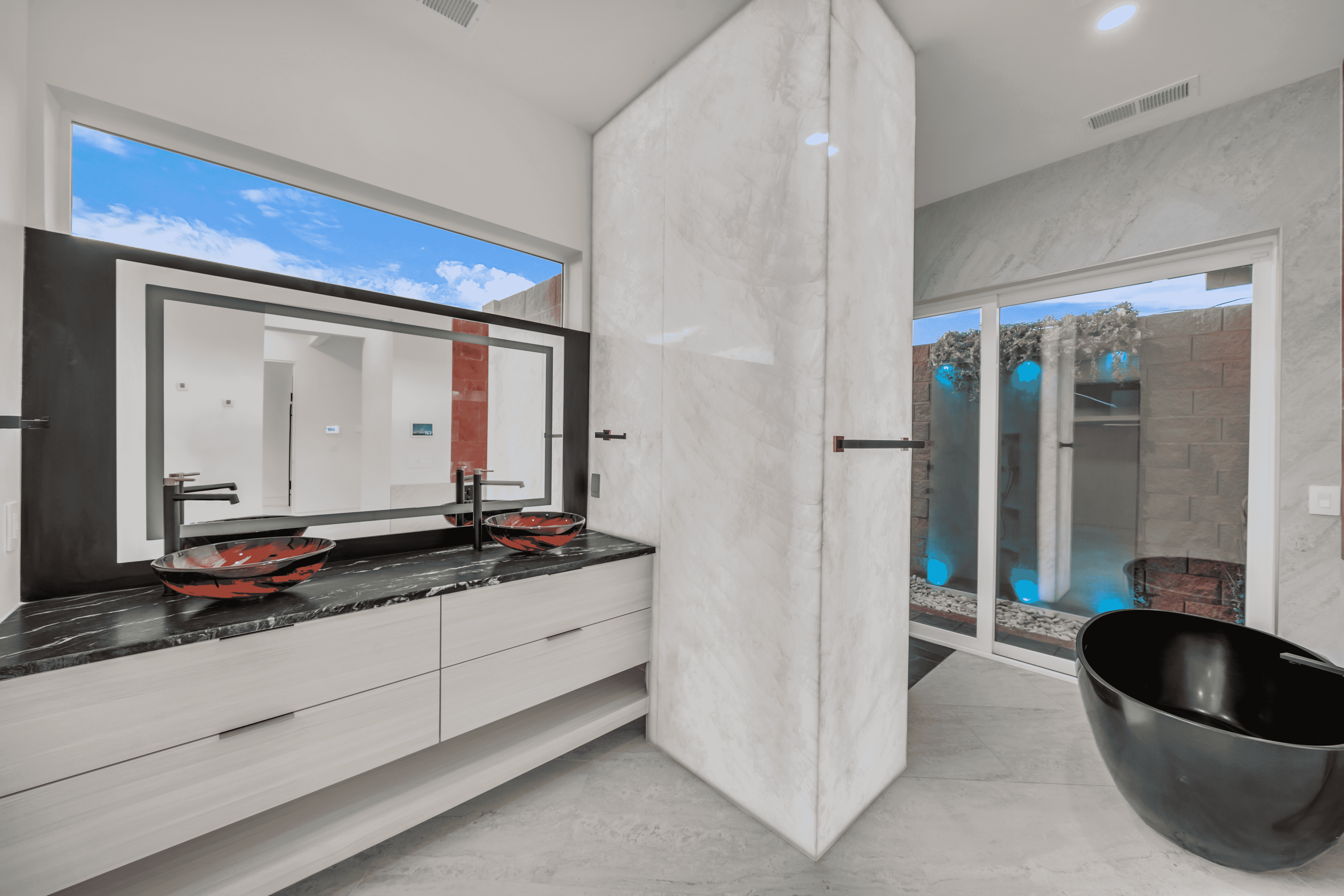
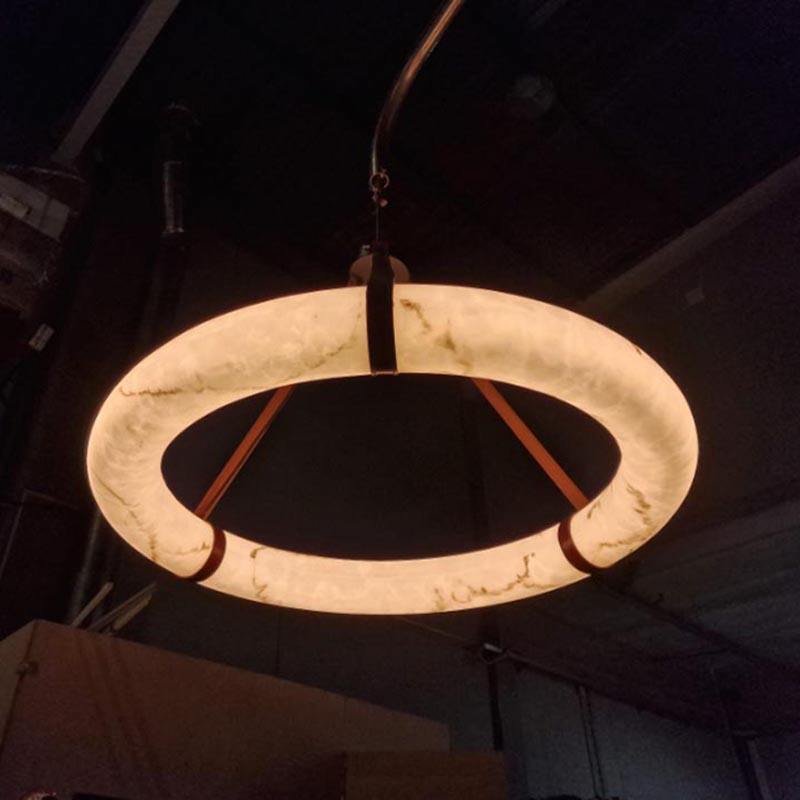
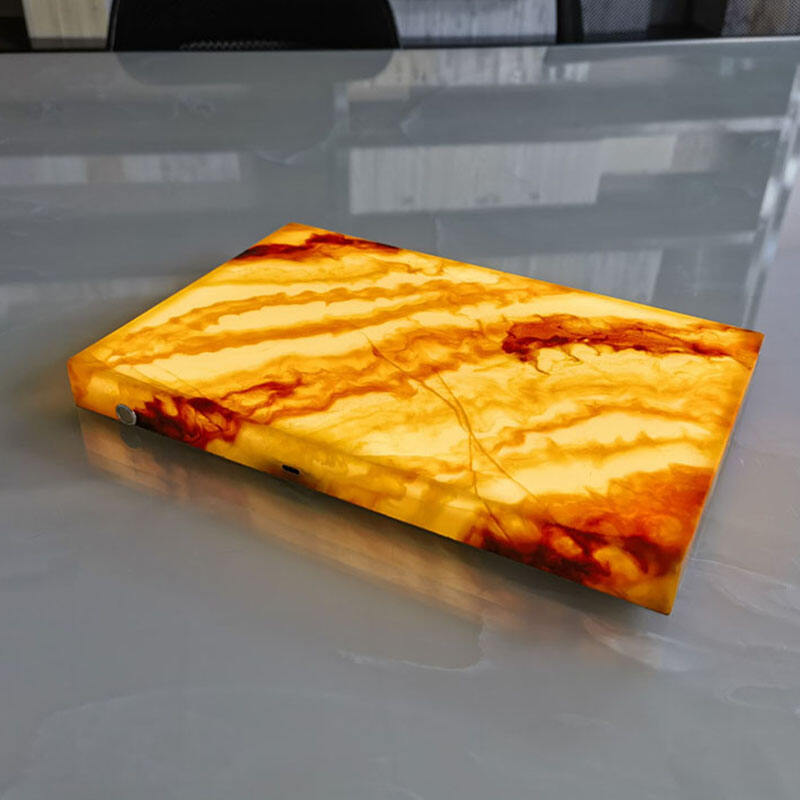
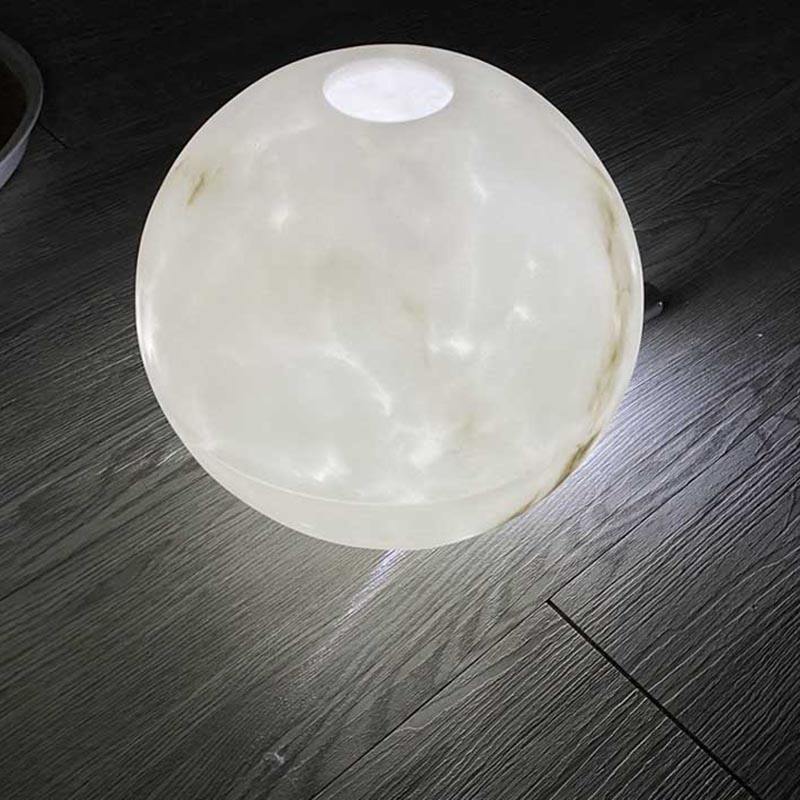
The future trajectory of artificial stone points towards even greater integration of functionality, sustainability, and personalization. Research and development are focused on creating "active" surfaces with embedded properties such as photocatalytic coatings that can break down air pollutants, or antimicrobial additives that provide an extra layer of hygiene. The push for a circular economy is driving innovation in fully recyclable products and closed-loop manufacturing processes. On the design front, digital printing technology is advancing to a point where fully custom, one-of-a-kind patterns can be commissioned, allowing designers to print digital artworks or specific textures directly onto the surface of a slab. The development of lighter, stronger, and thinner materials will continue to open new applications in furniture, automotive interiors, and consumer electronics. Imagine a kitchen countertop that can also function as an inductive charging surface for devices, or a bathroom vanity that gently warms to the touch. These are not distant fantasies but the direction of travel for the industry. A conceptual project recently showcased a connected home where the kitchen island's artificial stone surface incorporated a touch-screen display for recipes and family calendars. This evolution from a passive material to an interactive component of the smart home and building ecosystem represents the next frontier. For early adopters and those planning projects that will be completed in the coming years, staying informed about these emerging trends is crucial. Our company is committed to innovation and continuously scouts the global market for the next generation of surfacing solutions. To learn more about the future-forward products we are developing and sourcing, we encourage you to get in touch with our research and development liaison.