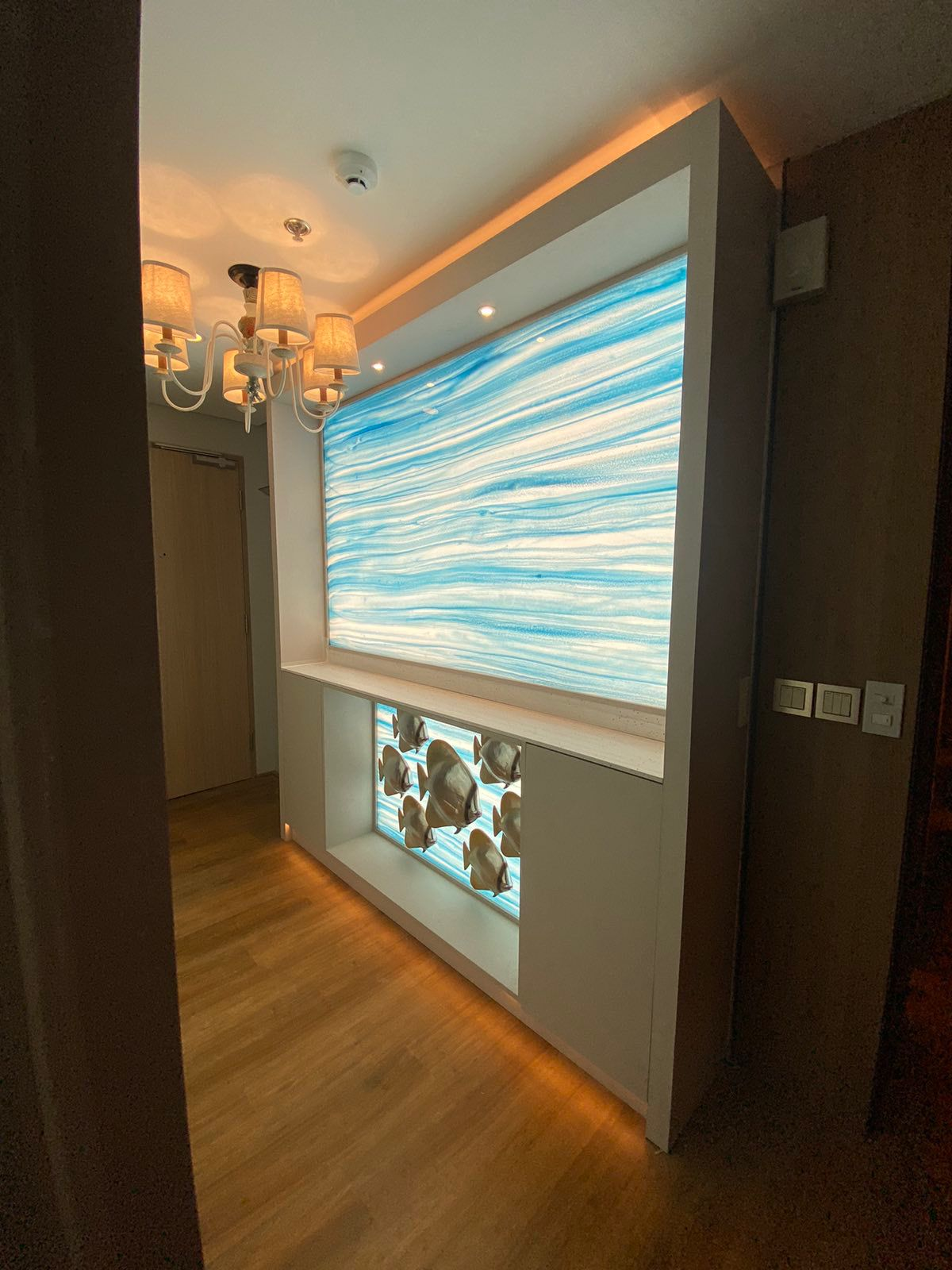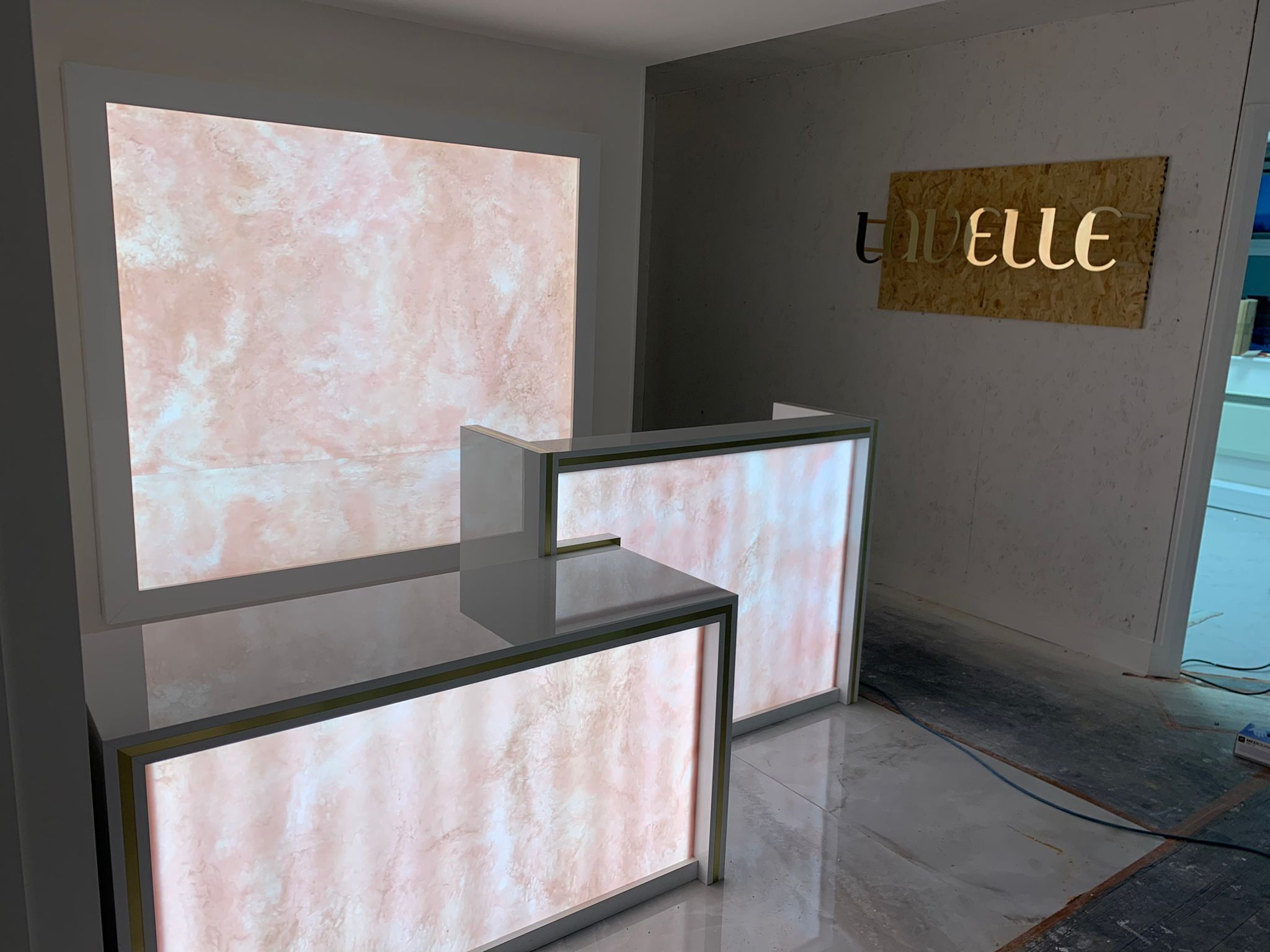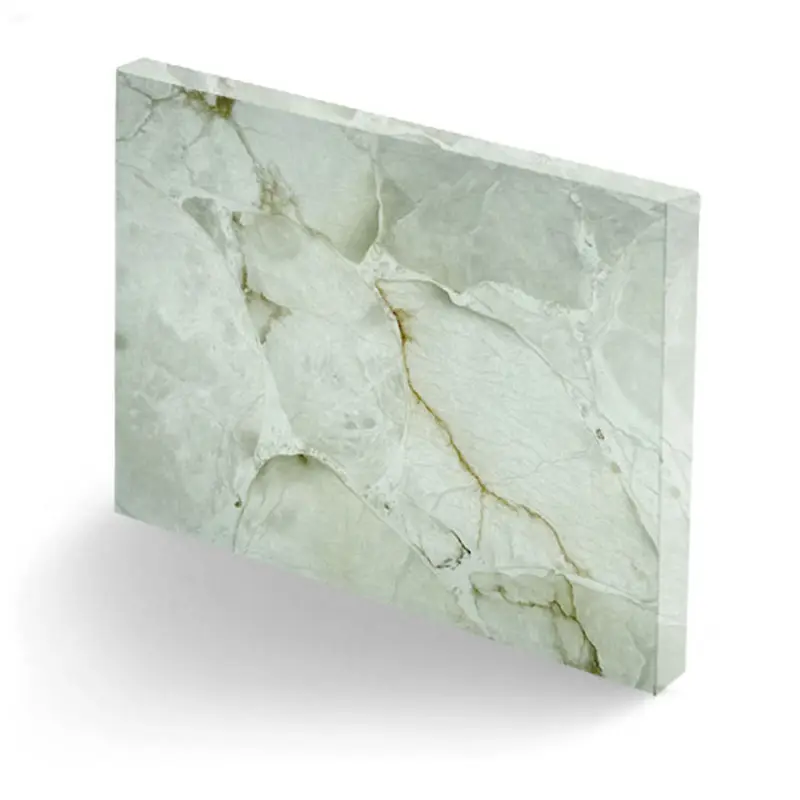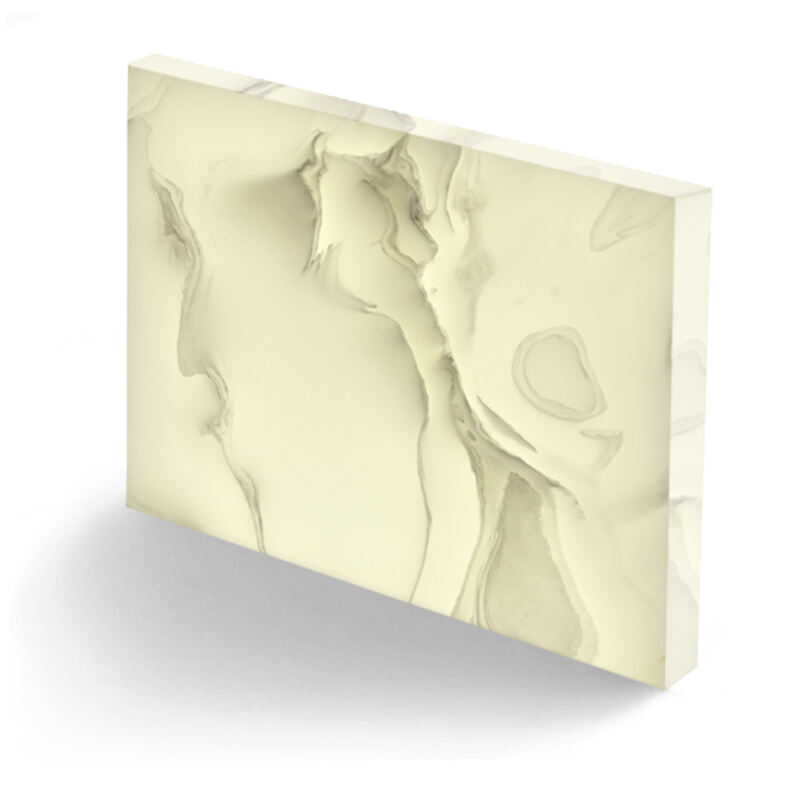
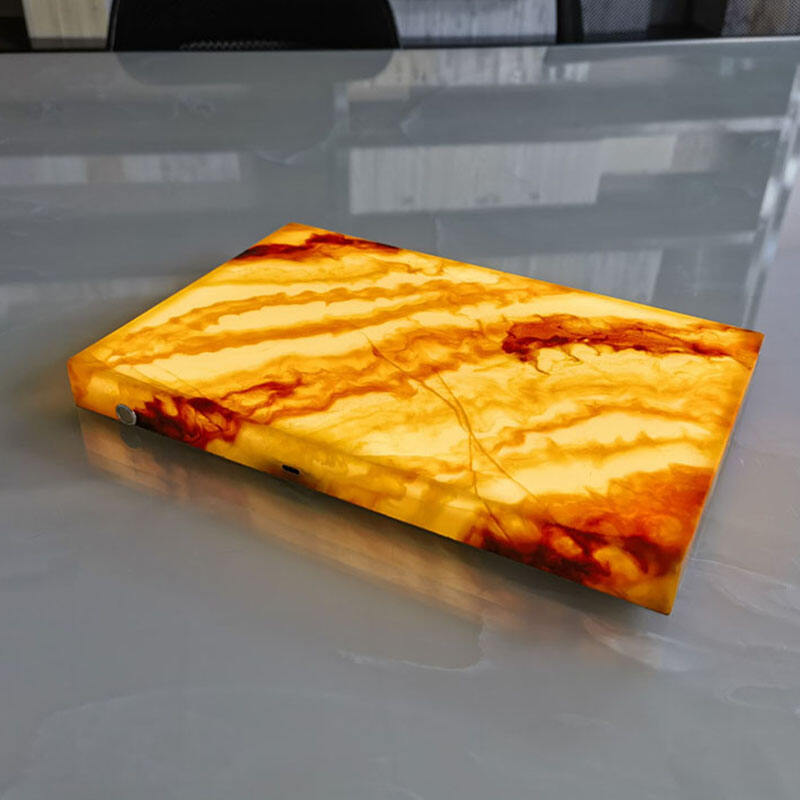
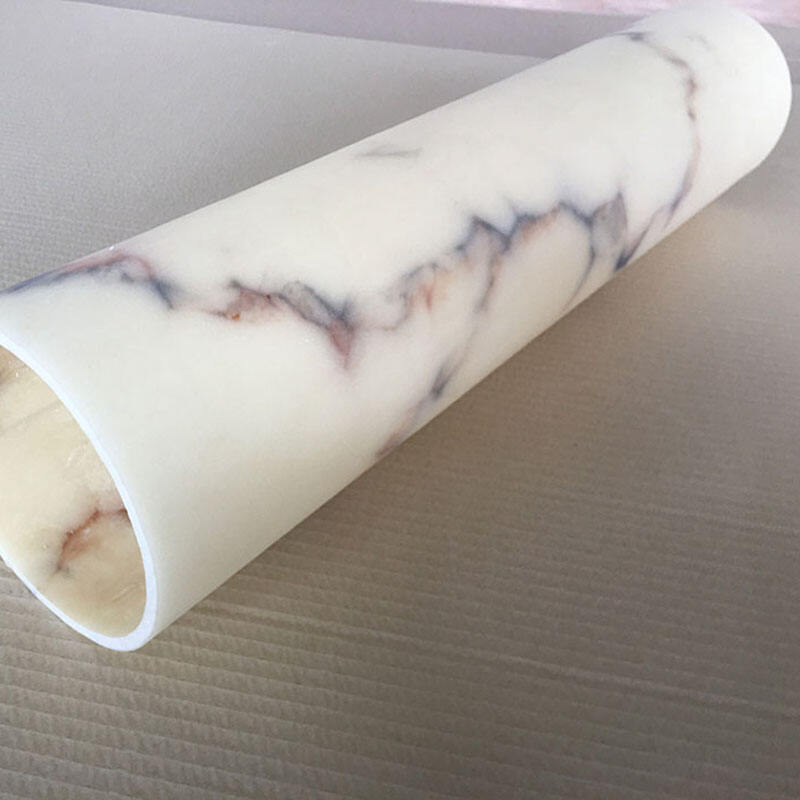
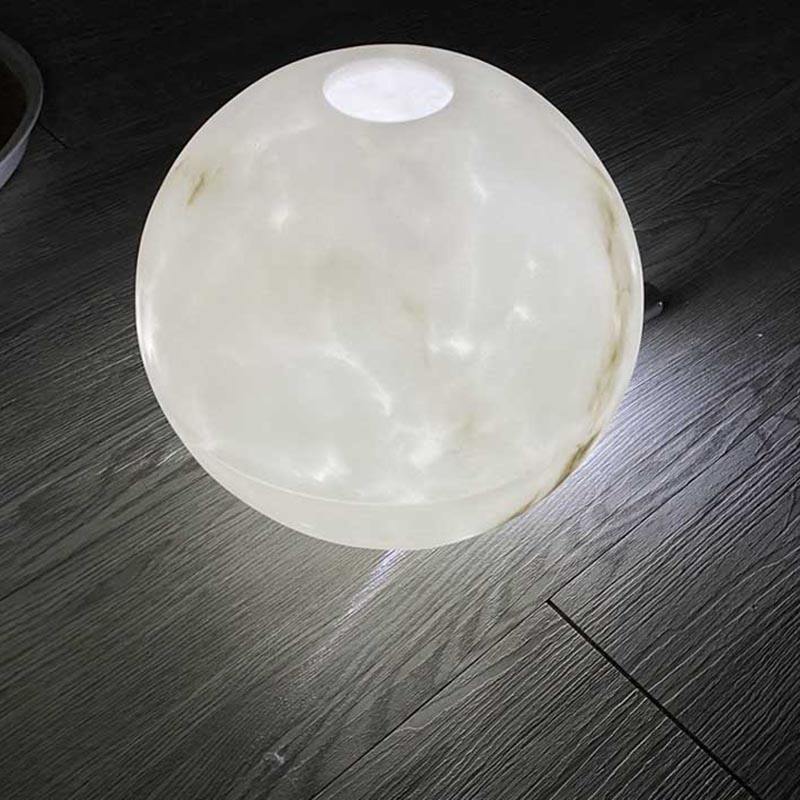
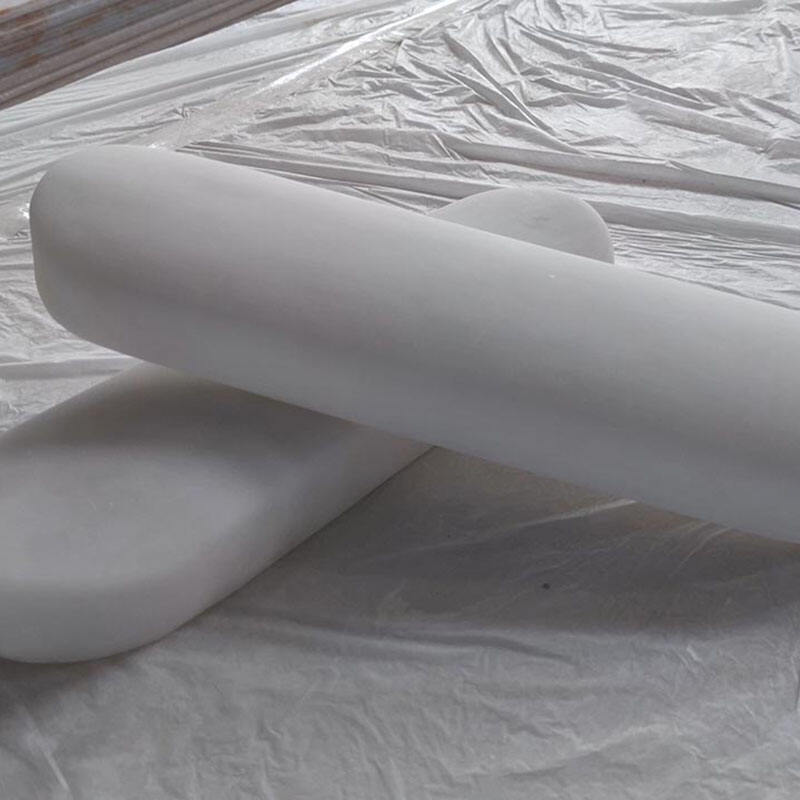
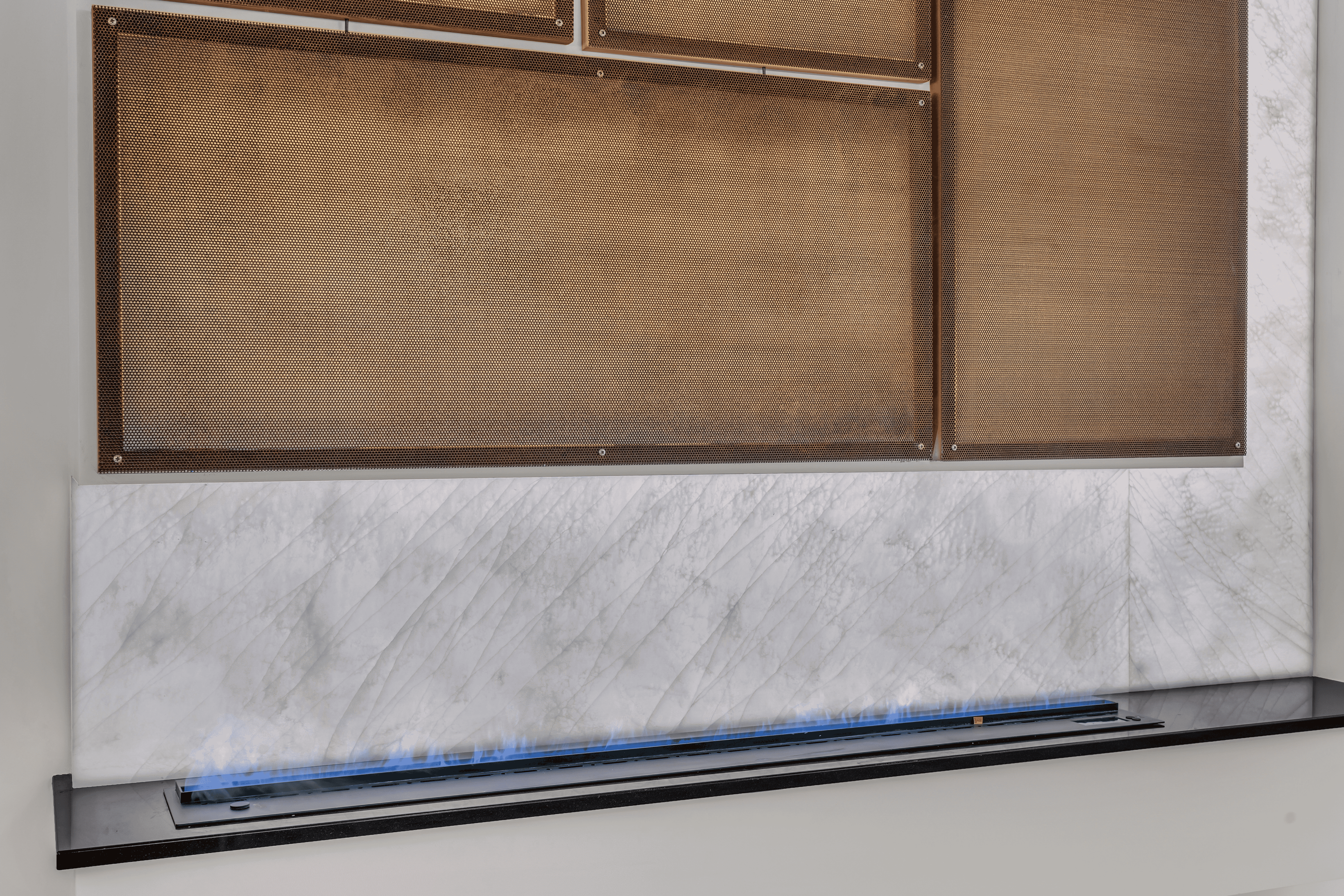
When compared directly to natural stone, artificial stone presents a set of distinct advantages that cater to modern lifestyles and project requirements. Natural stone is a product of geology, and as such, it comes with inherent variations, porosity, and potential weaknesses like fissures. While this uniqueness is cherished by some, it can introduce unpredictability in large projects and requires a higher level of maintenance, including regular sealing to prevent staining. Artificial stone, by contrast, offers consistency, predictability, and a maintenance-free lifestyle. Its hardness and durability often surpass that of marble and are comparable to granite, but without granite's typical porosity. In terms of design, while natural stone is limited to what can be quarried, artificial stone can be engineered to achieve specific colors and patterns, offering a broader palette. A direct comparison in a dual-vanity bathroom project illustrated this well: one side used a natural Carrara marble which showed etching from toiletries within months, while the other used an artificial alternative that remained pristine with identical use. For project managers, the consistency of artificial stone means they can accurately visualize the final outcome from a small sample, and they can order additional material months or years later with a high degree of confidence in a color match. This is rarely possible with natural stone, where different blocks from the same quarry can vary significantly. The choice ultimately depends on the project's priorities: the unique, organic character of natural stone or the consistent, high-performance, and low-maintenance benefits of engineered stone. For a detailed comparative analysis based on your specific needs regarding aesthetics, performance, and budget, our specialists are available to provide their expert insight. Please contact us to schedule a consultation.