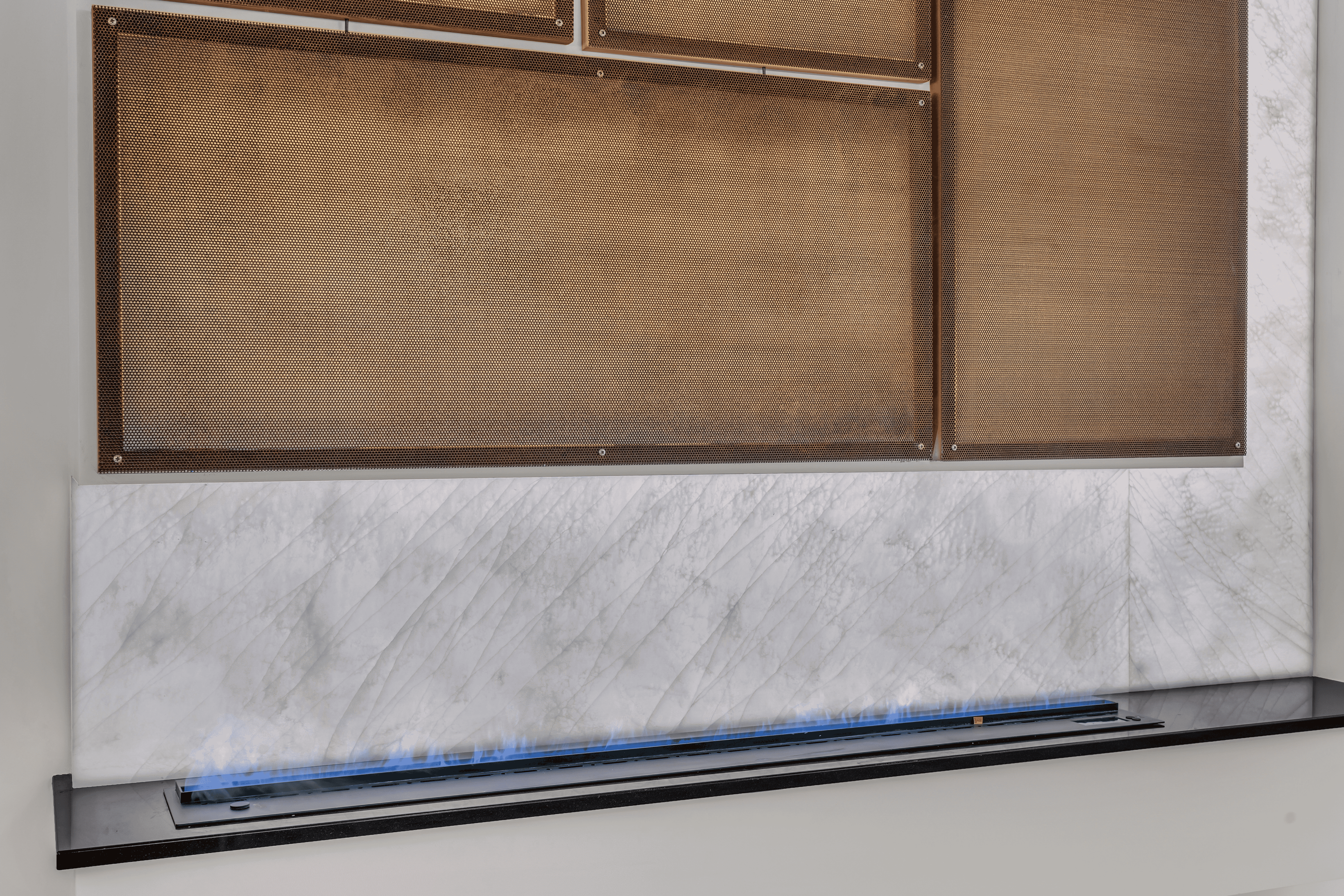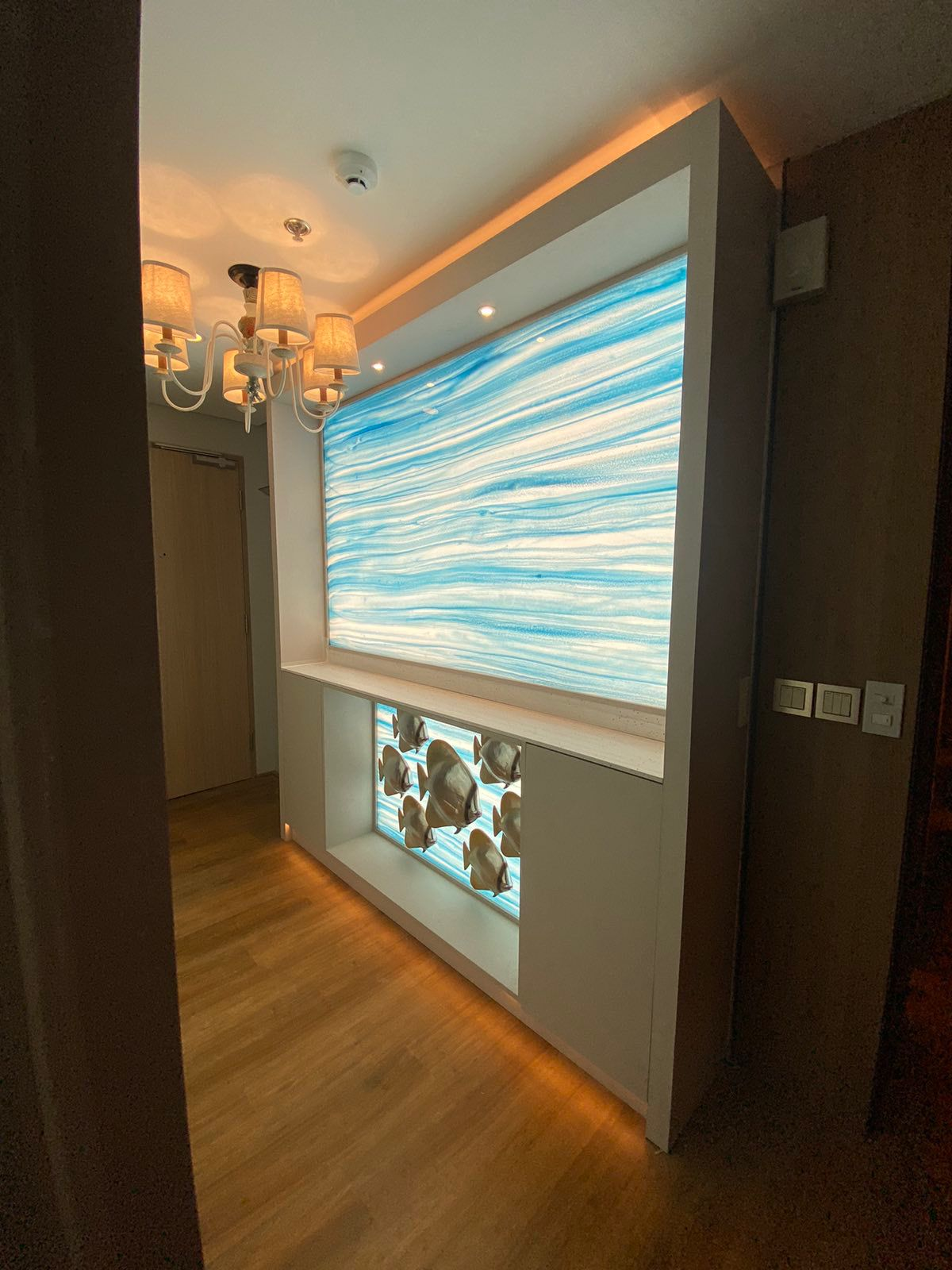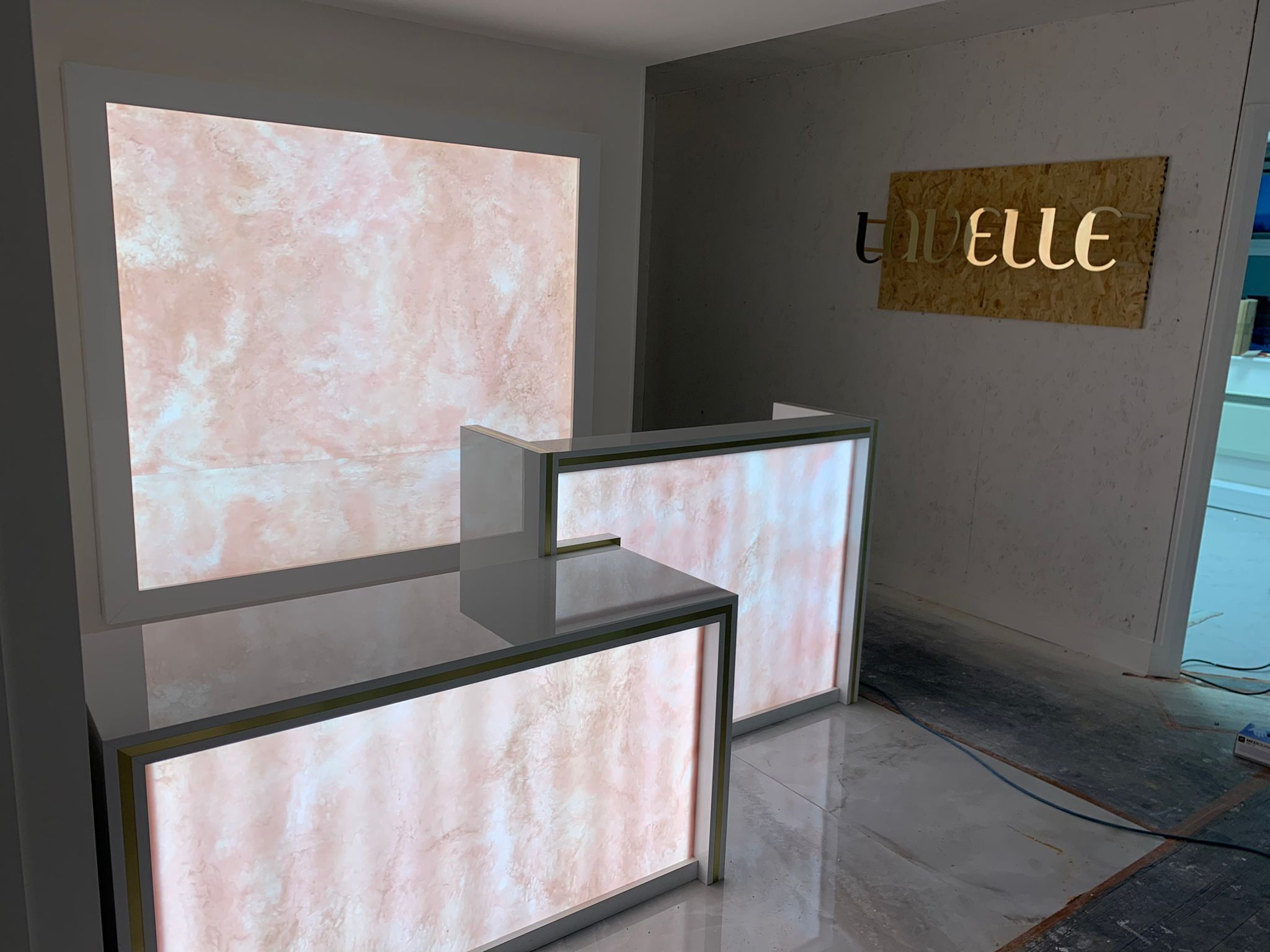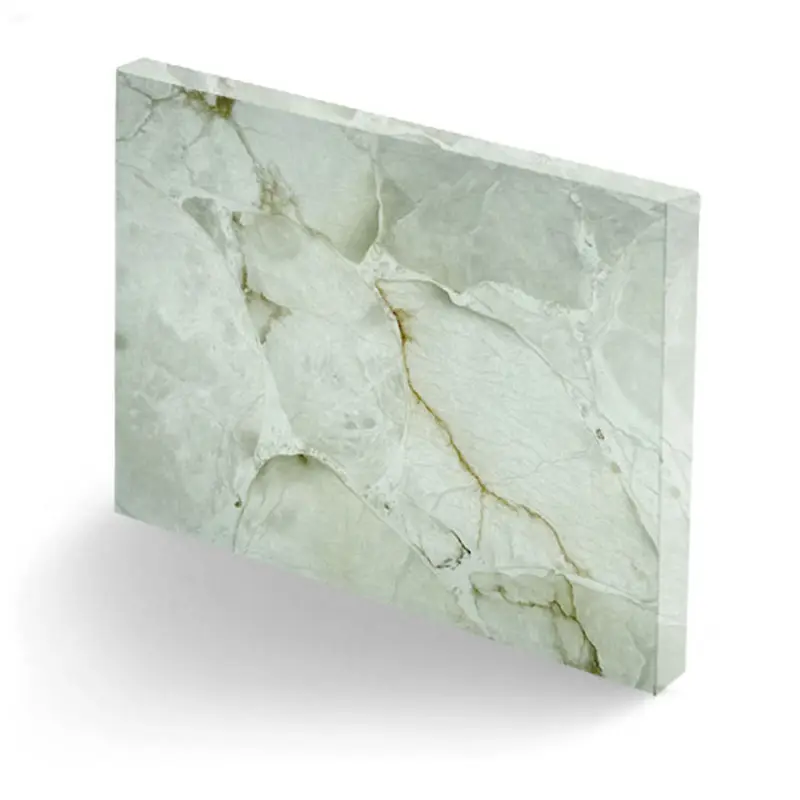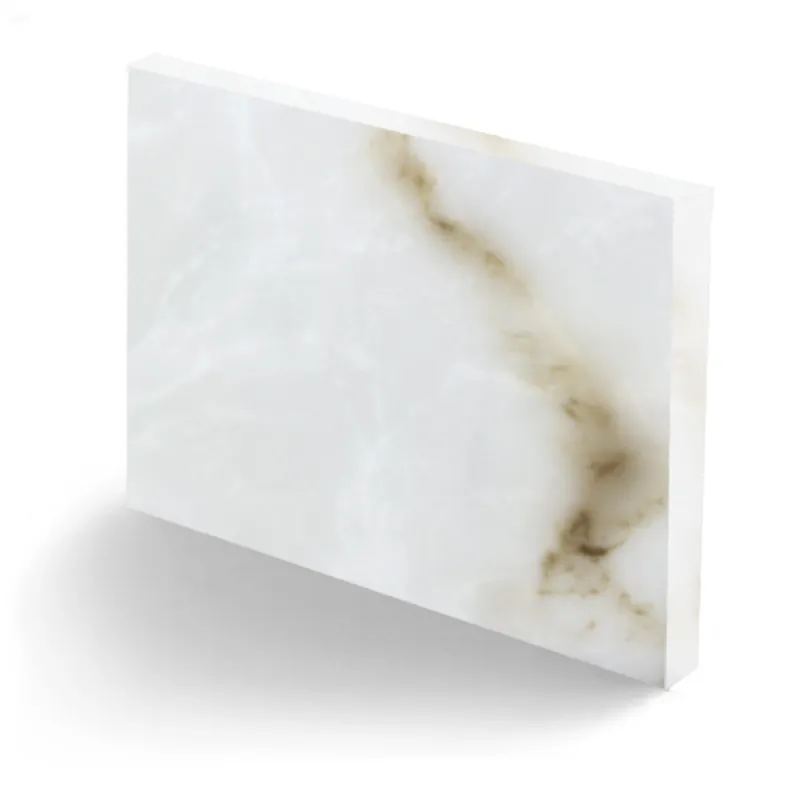
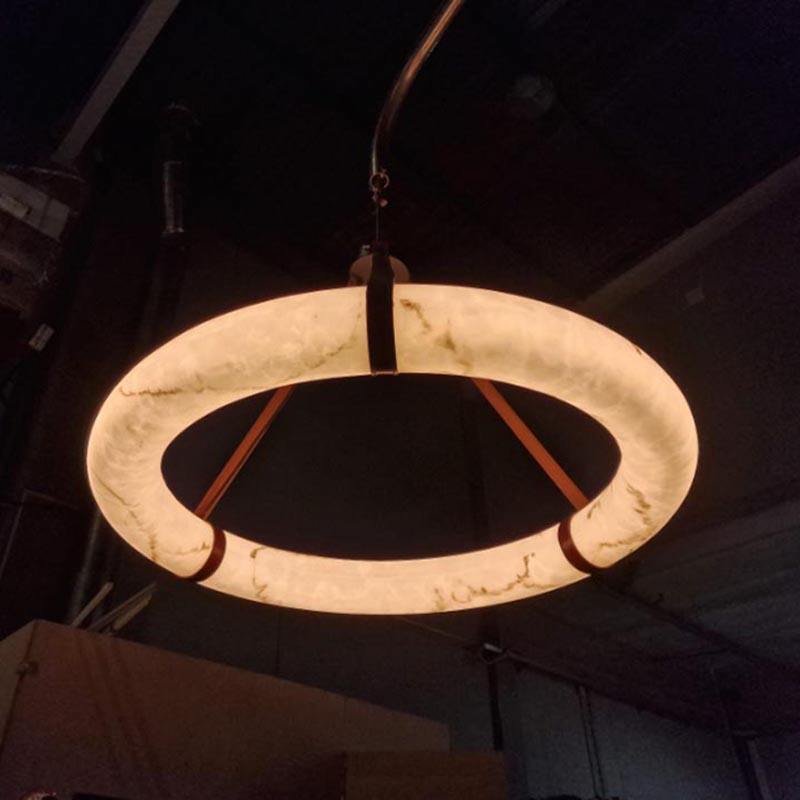
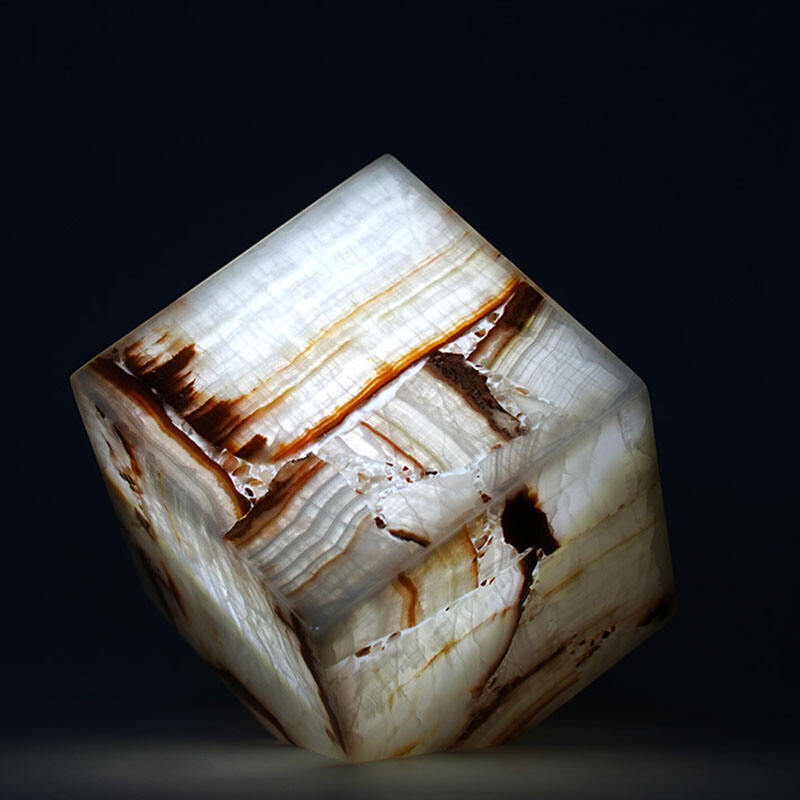
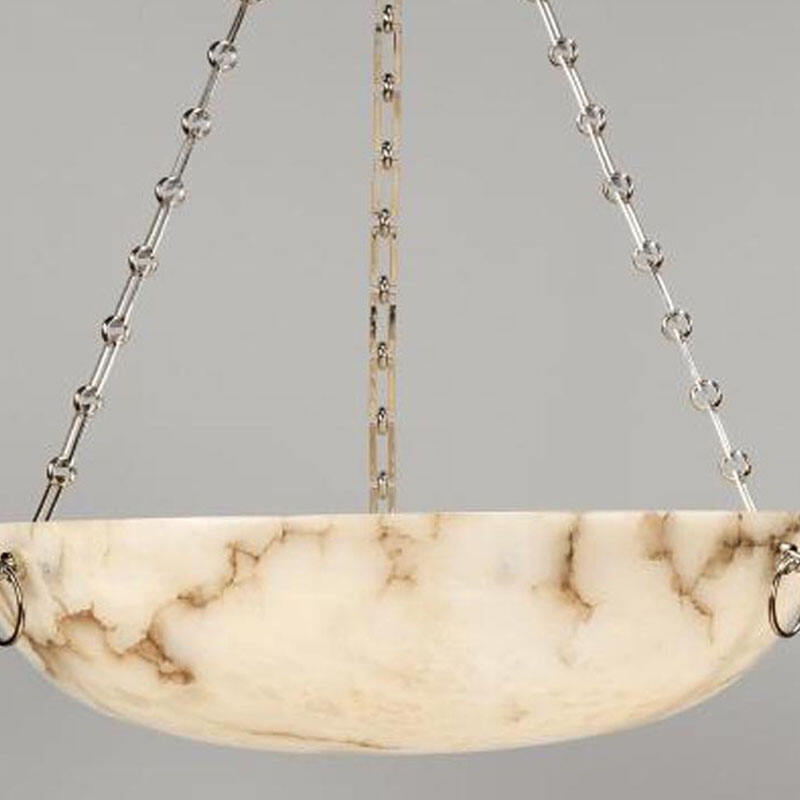
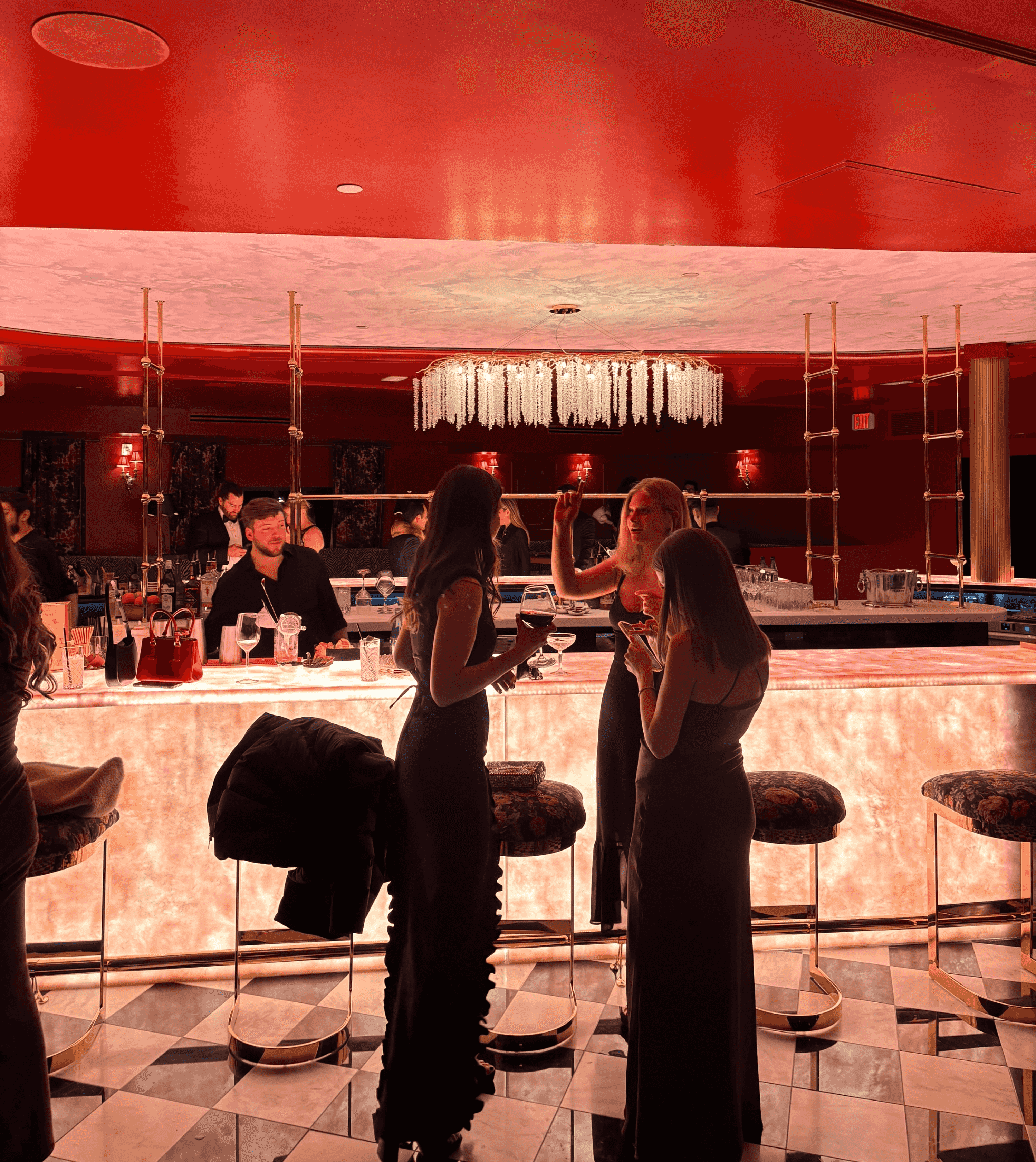
The contribution of artificial stone to modern architectural aesthetics is profound, enabling the clean lines, seamless surfaces, and minimalist ethos that define contemporary design. Its ability to be fabricated into long, uninterrupted spans supports the architectural preference for simplicity and flow. The material can be used to create dramatic waterfall islands where the countertop material cascades down the sides to the floor, forming a solid, monolithic element that serves as a powerful visual anchor in an open space. The availability of slim, ultra-compact panels has further expanded its architectural use to include exterior ventilated facades, interior wall cladding, and even flooring. The homogeneity of color and pattern supports a calm, uncluttered visual environment, which is a cornerstone of modernism. In a award-winning private residence, the architect specified a light-beige, honed-finish artificial stone for nearly all horizontal surfaces—kitchen counters, bathroom vanities, built-in bench tops—and continued the same material vertically as a feature wall in the living area. This created a deeply harmonious and tranquil interior that blurred the lines between different functional zones. The precision with which the material can be cut allows for the creation of sharp, clean joints and reveals, satisfying the exacting standards of modern detailing. For architects pursuing a pure, coherent, and materially honest expression, artificial stone provides a reliable and sophisticated medium. We collaborate closely with architectural firms to provide the technical data and large-format samples needed during the design development phase. For architectural professionals seeking a material that aligns with the principles of modern design, we invite you to contact us for BIM objects and full specification support.