
 EN
EN
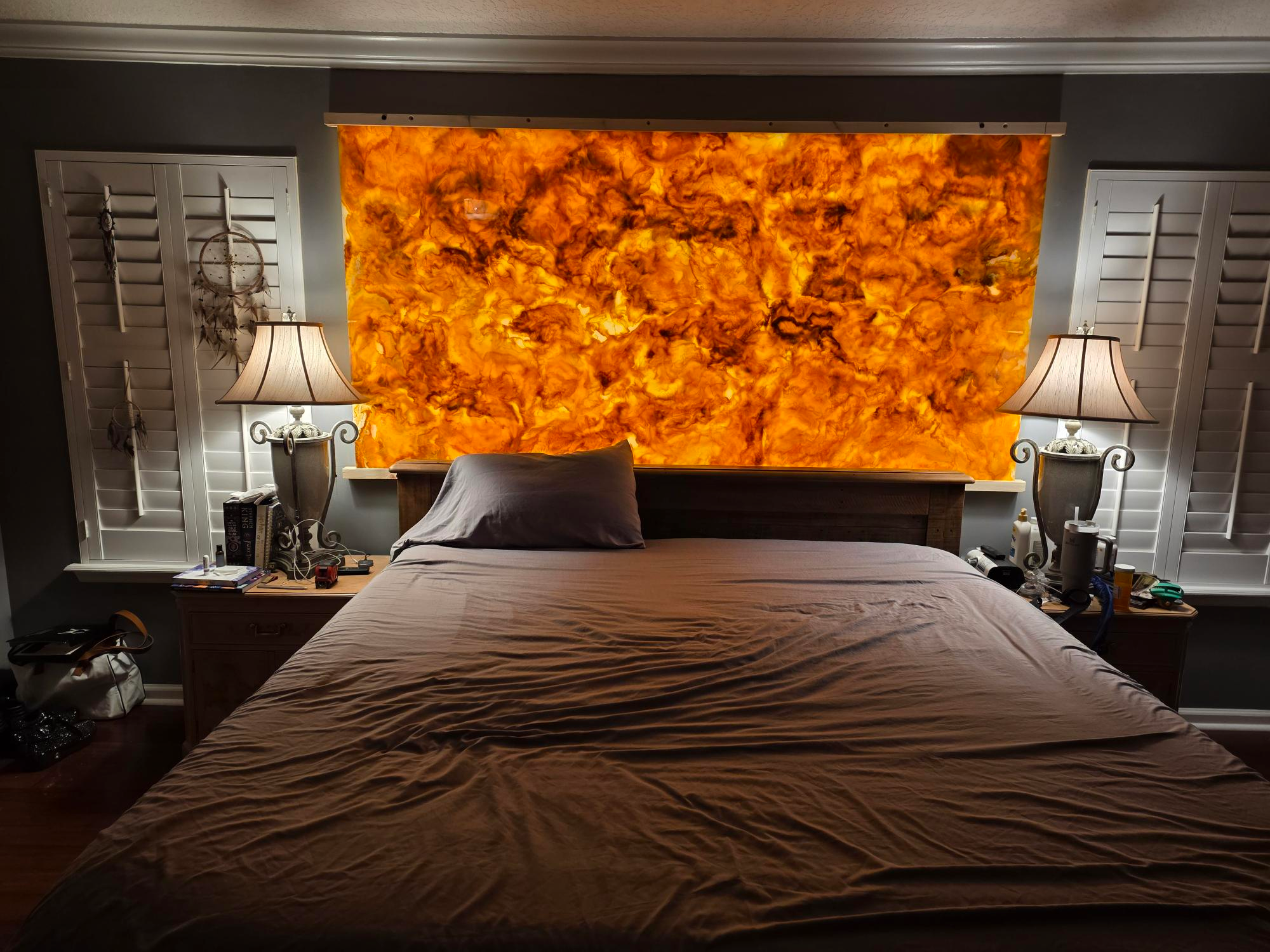
Standard Lead Times for Bulk Translucent Stone Panels
Stock vs. Custom Translucent Stone: Typical Timelines (2–6 Weeks vs. 10–16 Weeks)
Standard translucent stone panels typically arrive within 2 to 6 weeks since they come from pre-made stock in standard sizes. Custom made panels take much longer though, around 10 to 16 weeks. Why? Because making them involves several steps that just can't be rushed. First comes quarrying those special stone slabs which are already hard to find. Then there's this complicated resin process that needs very specific conditions controlled throughout. And finally, someone has to carefully finish the edges by hand. The time difference between stock and custom panels is actually about three to four times longer. For architects who need unique lighting effects or want to integrate these stones into building structures, this timing gap really matters when planning projects.
How Order Volume Scales Lead Time—500 Sq Ft, 2,000 Sq Ft, and 5,000+ Sq Ft Benchmarks
Volume directly shapes scheduling capacity and process sequencing:
- 500 sq ft: Ships in 4–6 weeks using standard fabrication runs
- 2,000 sq ft: Requires 8–10 weeks for batch processing, enhanced quality validation, and staggered resin curing
- 5,000+ sq ft: Takes 12–14 weeks to accommodate sequential curing cycles, fragility-sensitive handling, and layered inspection protocols
Few manufacturers maintain raw material buffers or throughput capacity for bulk orders. Resin infusion alone consumes 72 hours per batch—and cannot be compressed without risking delamination or optical distortion. Confirm production capacity before design finalization.
Critical Supply Chain Factors Affecting Translucent Stone Lead Times
Quarry availability, resin infusion cycles, and precision edge-finishing as primary bottlenecks
The natural variations in geology often push back slab sourcing by around two to three weeks since most quarries just cant produce the same level of translucency or stable grain throughout. When it comes to resin infusion, maintaining strict control over both humidity and temperature takes between fourteen and twenty-one days total. Cutting corners here leads to weaker bonds and poor light distribution through the material. Then there's edge finishing which typically eats up another five to eight days per order because nothing works better than good old fashioned hand polishing to maintain that clear look across entire panel surfaces. All these processes have to happen one after another without overlap, particularly when production scales up, which explains why schedules tend to be so rigid once things get going on a larger scale.
Supplier capacity constraints: Why few manufacturers reliably scale bulk translucent stone production
According to the latest numbers from the Natural Stone Institute in 2023, just about 12 percent of all stone makers around the world have those special vacuum resin chambers plus diamond edge CNC routers needed to work with translucent stone. The process itself is pretty intensive too. Every single panel goes through three different checks: first before infusion, then after curing, and finally when verifying the finish. Because of this thorough quality control, most operations can only manage around five thousand square feet worth of production each month. When it comes to making those light channels for backlighting effects, things get even trickier. About thirty percent ends up as waste material because the stone is so sensitive to tiny fractures during cutting. That makes big orders really tough from an economic standpoint. And here's what matters most for anyone placing an order these days: getting reliable delivery times has less to do with how much they want and more with whether the supplier actually focuses on translucent stone work specifically rather than just general stone fabrication capabilities.
How Customization Drives Lead Time Variability in Translucent Stone
Impact of cut patterns, backlighting channels, thickness specs, and finish options on schedule
Adding custom features really messes with lead times in ways that aren't straightforward at all. They multiply instead of simply adding on extra days. For instance, complex cut patterns mean going back into the CNC machine for new programming and getting those tools properly calibrated, which usually takes around 3 to 7 days. Then there's backlighting channels that need careful resin placement and checking how light spreads out so we don't end up with bright spots or leaks somewhere. That alone can push things back anywhere from 10 to 15 days. If parts are too thin (under 12mm) or too thick (over 30mm), we have to slow down the curing process while controlling temperatures closely to stop them from warping, and this eats up about 20% more time overall. Matte finishes or those anti-reflective coatings require another 1 to 2 weeks just to test whether they stick properly and hold up when exposed to actual lighting conditions people will encounter. The problem gets worse when several custom elements come together because each delay starts affecting everything else. That's why locking down the final design before starting production isn't merely good practice anymore these days. It’s absolutely necessary if anyone wants their project delivered anywhere near the original schedule.
Logistics and Risk Mitigation for Bulk Translucent Stone Shipments
Fragility-aware crating, freight coordination, and port/inspection delays unique to translucent stone
Handling translucent stone needs completely different shipping approaches compared to regular stone materials. The stuff is basically made with a resin base and constructed really thin, so it breaks easily when exposed to vibrations, sudden temperature changes, or concentrated pressure points. When packing these panels, we always need to line boxes with cushioning foam, corners with extra protection, and for anything over 500 square feet, go full custom with specially built wooden crates that have internal supports to keep everything stable during long hauls by train or ship. Temperature control matters a lot too. These resin panels start to deteriorate if they experience prolonged heat above 35 degrees Celsius or cold below 5 degrees. Ports can be nightmare scenarios because customs officials frequently open packages manually during inspections, which obviously increases the chance of damage. Putting clear warning labels on all shipping documents and getting those import permits sorted out ahead of time cuts down waiting periods at ports by around half, according to recent industry reports from DHL. For super important jobs where timing is everything, smart shippers split their cargo - sending critical pieces via air freight while the rest goes slower but cheaper by sea. This approach eliminates the whole "all eggs in one basket" problem that plagues so many construction timelines.
FAQ
-
Why do custom translucent stone panels take longer to produce than stock panels?
Custom translucent stone panels require additional steps like quarrying specific slabs, precise resin processing, and hand-finishing edges, making the process substantially longer. -
How does order volume affect the lead time for translucent stone panels?
The larger the order, the longer the lead time due to required changes in fabrication processes, such as batch processing and staggered resin curing. -
What are the primary bottlenecks impacting translucent stone panel production?
Key bottlenecks include quarry availability, resin infusion cycles, and precision edge-finishing. -
What customization options impact the production schedule of translucent stone panels?
Customization options like cut patterns, backlighting channels, thickness specifications, and finish options significantly affect production timelines. -
How should translucent stone ship to mitigate risks?
Translucent stone should ship with fragility-aware crating and temperature control. Multiple shipping methods can reduce risks and delays.